Showing posts with label revising your fiction. Show all posts

Sunday, March 7, 2021

REVISE FOR SUCCESS – Concrete Tips for Revising and Editing Your Fiction

by Jodie Renner, editor & author 

After you’ve finished the first draft of your popular fiction novel or short story – or even if you’re only a third or halfway into it but have some nagging doubts about the viability of various aspects of the story – take a short break. Put your manuscript aside for a week or three and concentrate on other things. Then come back to it with a bit of distance, as a reader.

Here's a step-by-step guide to looking for any possible weaknesses in your premise, plot, characterization, and writing style. This is a pretty detailed list, so my suggestion is to copy and paste it and save it in a doc (the links will still work) in a file called "Writing Advice," then just tackle the tips one step at a time, over days and weeks, maybe even months. Click on the links after each point for more in-depth suggestions on that topic.

STEP 1: LOOK FOR ANY BIG-PICTURE ISSUES.  


~ PREMISE: Is it intriguing and solid? Will the foundation of your story stand up to scrutiny? Does your main character face significant challenges that he/she must overcome?

~ CHARACTERIZATION: Is your protagonist charismatic, multi-dimensional, conflicted, and at least somewhat sympathetic and likeable? Does he/she change as a result of what he/she goes through in the course of the story? (character arc)

Click to read: Create a Complex, Charismatic Main Character.

Does your protagonist have significant, meaningful goals and motivations? What is driving him or her?

Do your characters’ decisions and actions seem realistic and authentic?

Click on this link: Make Sure Your Characters Act in Character

Also, are your supporting characters different from each other and the protagonist, for interesting contrast and tension?

~ POINT OF VIEW: Are you staying firmly in the head of the viewpoint character for each scene, or are there places where you’re hovering above or inadvertently slipping into the thoughts of other characters (head-hopping)? Click on the links below.

POV 101: Get into Your Protagonist’s Head and Stay There 

POV 102 – How to Avoid Head-Hopping 

POV 103 – Engage Your Readers with Deep Point of View 

~ PLOT: Does your protagonist have a significant challenge or dilemma that’s difficult to solve? Are you piling on the problems as the story goes on? Make sure every plot point directly affects the character and his journey. See Writing a Killer Thriller for essential tips that apply to all popular fiction.

~ STRUCTURE: Should you start your story or any of your scenes later? Or earlier? Would it be more effective to change the order of some chapters or scenes? Shorten some or expand others? Or even delete a few?

~ SCENES: Does every scene have some tension and conflictDoes every scene end with a question or dilemma that drives the story forward? See

Every Scene Needs Tension and a Change.  

Make brief scene outlines, using this template:

   Scene:  Chapter:  Place:
   - Date/Month/Season:  Year (approx.):
   - POV character for this scene:
   - Other main characters here:
   - POV character’s goal here:
   - Motivation for their goal (why do they want that?):
   - Main problem/conflict – Who/What is preventing POV character from reaching his/her goal:
  - Outcome – Usually a setback / new problem:

Revise any scenes that don’t have conflict and a change and don’t advance the story. 

~ CONFLICT, TENSION and INTRIGUE: Every novel, no matter the genre, needs conflict, tension, and intrigue -- and a certain amount of suspense. For practical advice on how to keep readers turning the pages, see my writer's guide, Writing a Killer Thriller and this article:

 Add Tension, Suspense, and Intrigue.

~ POTENTIAL PLOT HOLES, inconsistencies, or discrepancies: Ask others to watch out for any accidental bloopers in your story that will erode reader confidence.

~ OPENING: Will your opening paragraphs and first pages hook the readers and entice them to keep reading? Don’t warm up your engines with backstory or start with lengthy description – get right into the story from the first line, in the head of your protagonist.

12 Dos and Don’ts for a Riveting Opening.

~ LENGTH: Is your story too long or too short? If it’s more than 90,000 words (okay, unless it’s a fantasy or epic), check out:

How to Slash Your Word Cut by 20-40% - Without losing any of the good stuff!

This would be a good time to send your story off to some trusted beta readers, smart volunteers who read critically in your genre. They don’t need to be writers.

Here’s list of 15 Questions for Your Beta Readers – And to Focus Your Own Revisions

STEP 2: WRITING STYLE, VOICE, TONE, AND PACING


~ SHOW, DON'T TELL. Be sure to show, rather than tell, all critical scenes in real time, with action and dialogue, and quickly summarize or skip over humdrum scenes. See my article, Show, Don't Tell.

~ SHOW CHARACTER REACTIONS. Bring characters to life on the page by showing their emotions, physical reactions, thought reactions, and sensory perceptions.

See: Bring Your Characters to Life by Showing Their Reactions and

Immerse Your Readers with Sensory Details.

~ RELAX YOUR WRITING. Is your writing style too correct and formal for fiction? If so, loosen up the language. Read it aloud to see where you can make it more casual by streamlining sentences and using contractions (don't, I've, isn't, etc.) and everyday words.

See Tips for Loosening up Your Writing.

VOICE: Does each of your main characters have a unique voice? Or do they all sound like each other and the author? Beware of writing in a too-correct, nonfiction style. Remember that men usually speak differently than women, and a blue-collar guy shouldn't sound like a businessman or teacher. Use free-form journaling in the character's secret diary, especially when they're upset, to capture their true inner and outer voice, with plenty of attitude.

See: Concrete Tips for Developing a Unique Voice in Your Fiction

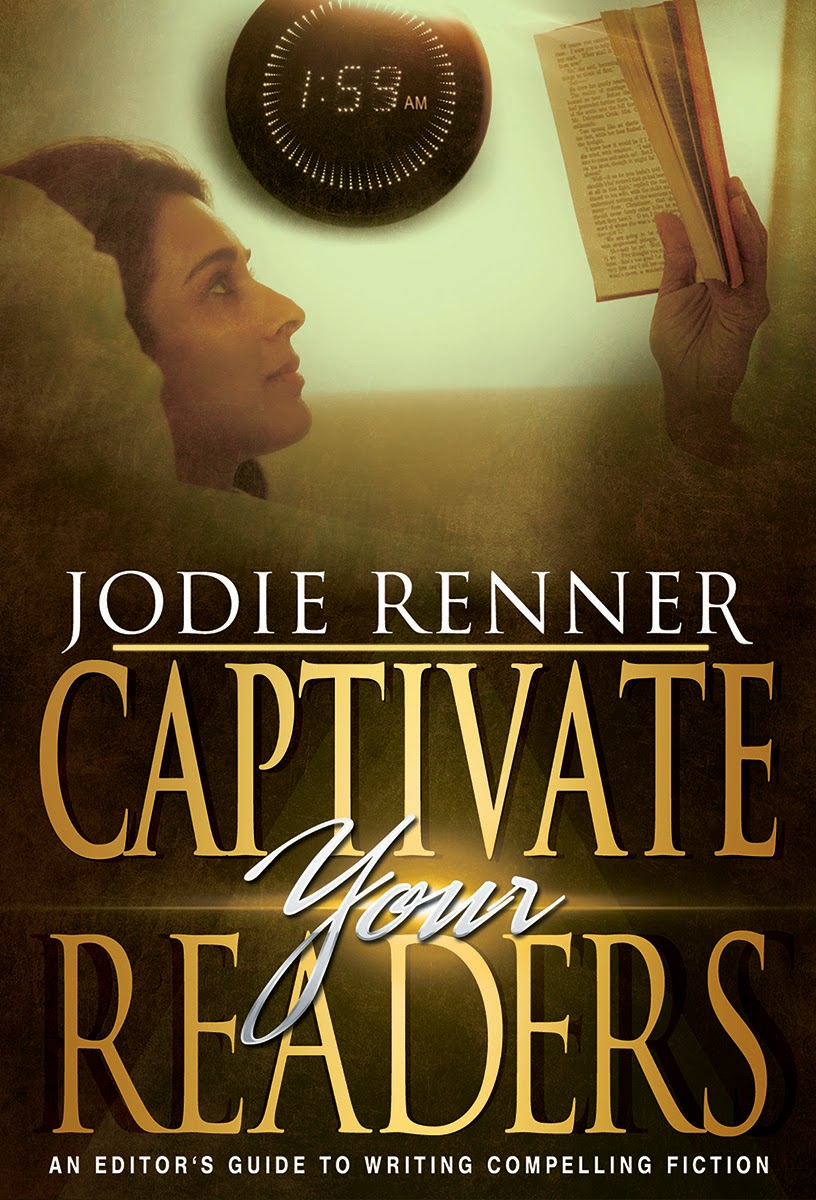
Developing a Strong Third-Person Voice, and also my book, Captivate Your Readers

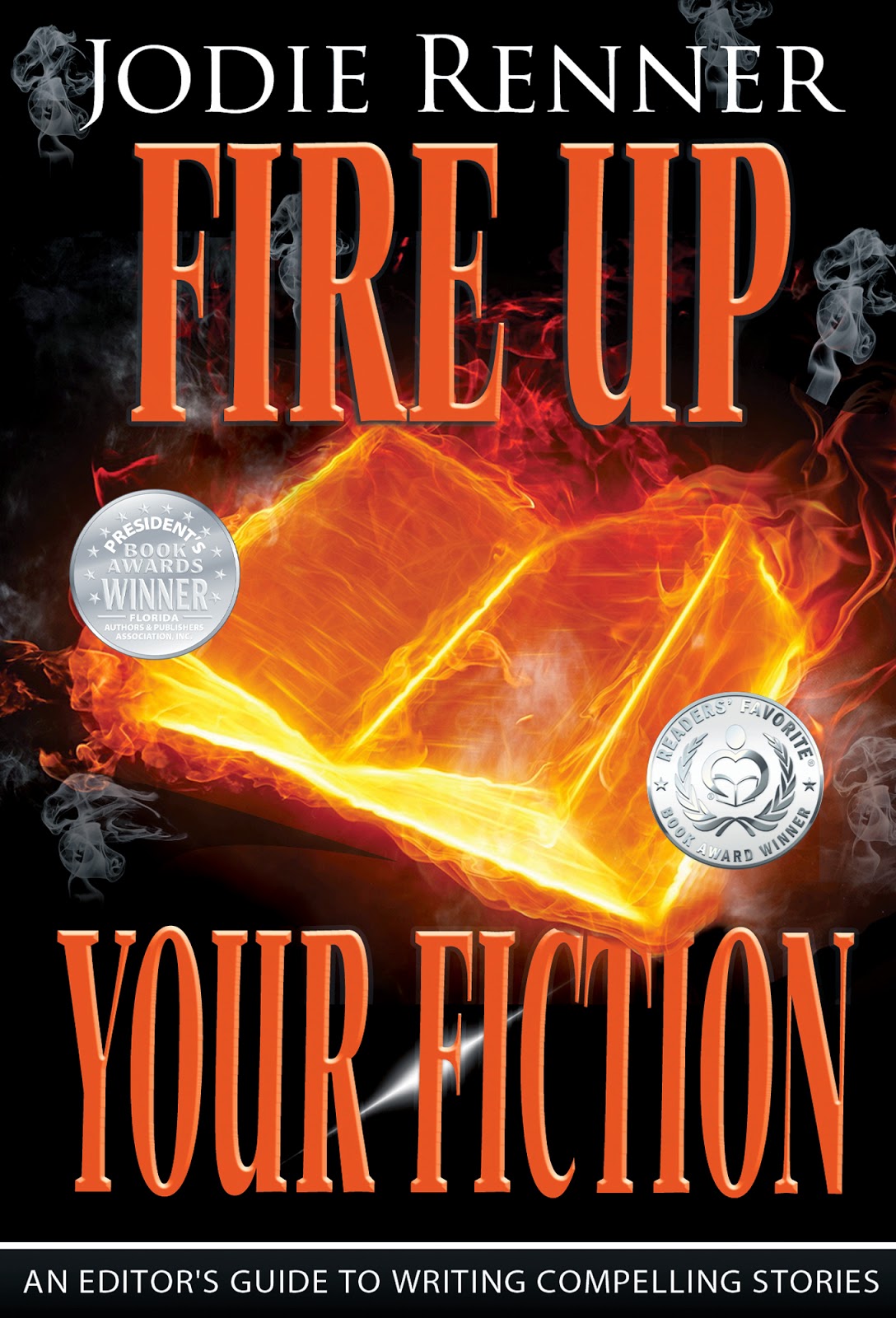
~ SPARK UP YOUR PROSE. Use strong, specific nouns and verbs instead of tired, overused ones. For more ideas on this, check out my book, FIRE UP YOUR FICTION and the following article:

 Nail it with Just the Right Word.

~ PICK UP THE PACE. Does your story drag in places? Are your descriptions too lengthy and neutral-sounding?
See: Pick up the Pace for a Real Page-Turner

~ WRITE TIGHT. Read your story aloud to see where you can cut down on wordiness and repetitions. Take out any “little word pile-ups” and all unnecessary detail to improve flow and pacing. Make every word count. See many chapters of Fire up Your Fiction for more specifics on this, and my post,

Don’t Muddle Your Message.  

~ WRITE AUTHENTIC DIALOGUE. Read the dialogue out loud to make sure it sounds natural, like that character would actually speak. See my blog post,

 Tips for Writing Effective Dialogue.

Avoid these Style Blunders in Fiction.

STEP 3: FINAL PROOFREADING 


Now it's time to go through the revised copy and look for typos, spelling, punctuation, missing or repeated words, convoluted sentences, and anywhere the prose doesn’t flow easily and sparkle. Also, look for formatting problems. Is your prose broken down into short paragraphs, for more white space? Have you started a new paragraph for every new speaker? Is your dialogue properly punctuated? See my article

Dialogue Nuts and Bolts.

Some techniques that work for effective proofreading:

~ Change the font and print out your story on paper or download it to your e-reader or tablet; or get a sample book printed. Then read it in a different location from where you wrote it (preferably away from your home) and make notes.       

For more tips on effective final proofreading, see my article,

Tricks and Tips for Catching All Those Little Typos in Your Own Work.

Also, see How to save a bundle on editing costs – without sacrificing quality and

  Basic Formatting of Your Manuscript (Formatting 101) 

Click HERE for options to receive email alerts of new posts published on this blog.

Jodie Renner is a freelance fiction editor and the award-winning author of three craft-of-writing guides in her series An Editor’s Guide to Writing Compelling FictionWRITING A KILLER THRILLERFIRE UP YOUR FICTION, and CAPTIVATE YOUR READERS, as well as two clickable time-saving e-resources, QUICK CLICKS: Spelling List and QUICKCLICKS: Word Usage. She has also organized two anthologies for charity: VOICES FROM THE VALLEYS – Stories and Poems about Life in BC’s Interior, and CHILDHOOD REGAINED – Stories of Hope for Asian Child WorkersYou can find Jodie on her Amazon Author Page, at www.JodieRenner.com, and on Facebook. 

Tuesday, September 10, 2019

A Checklist for Submitting Your Short Story to Anthologies and Contests

A glimpse into the minds of acquiring editors and judges for short (or any) fiction

by Jodie Renner, editor & author 

Have you tried your hand at writing short stories yet? If not, what’s holding you back? As award-winning blogger Anne R. Allen said in an excellent article in Writer’s Digest magazine, “Bite-sized fiction has moved mainstream, and today’s readers are more eager than ever to ‘read short.’” To check out Anne’s “nine factors working in favor of a short story renaissance,” see “9 Ways Writing Short Stories Can Pay off For Writers“, and there’s more in her post, "Why You Should be Writing Short Fiction."

Here’s another Argument for Writing Short Stories, by Emily Harstone.  She says, “Writers who are serious about improving and developing their craft should write short stories and get editorial feedback on them, even if they are never planning on publishing these short stories. Short stories are one of the best ways to hone your craft as a writer.”

Okay, you’ve decided to take the plunge and craft a few short stories. Good for you! Next step: Consider submitting some of them to anthologies, magazines, or contests. But wait! Before you click “send,” be sure to check out my 33 Tips for Creating a Short Story Worthy of Contests, Magazines, and Anthologies, then go through your story with these tips in mind and give it a good edit and polish – possibly even a major rewrite – before submitting it.

What are some of the common criteria used by publications and contests when evaluating short story submissions?

I have served as judge several times for Writer’s Digest Popular Fiction Contest, where I had to whittle down 140 or more entries (for the thriller category alone) to 10 finalists, but I wasn’t provided with a checklist or any specific criteria. However, a friend who regularly submits short stories to anthologies, magazines, and contests recently received a polite rejection letter from the editor of a literary magazine, along with a checklist of possible reasons, with two of them checked off specifically relating to her story.

While useful, the list of possible weaknesses is very “bare bones” and cries out for more detail and specific pointers. Editors, publishers, and judges are swamped with submissions and understandably don’t have time to give detailed advice for improvement to all the authors whose stories they turn down.

Here’s the list my friend received, with my comments below each point.

Checklist from a Publisher/Editor/Publication in Response to Short Story Submissions

“Thank you for submitting your short story to …. We’ve given your work careful consideration and are unable to offer you publication. We do not offer in-depth reviews of rejected submissions, due to time constraints. Briefly, we feel your submission suffered from one/several of the following common problems:”

“Tone or content inappropriate for…” (publisher / publication / anthology / magazine)
Check their submission guidelines and read other stories they’ve accepted to get an idea of the genre, style, tone, and content they seem to prefer.

“Stylistic and grammatical errors; too many typos”

Be sure to use spell-check and get someone with strong skills in spelling, grammar, punctuation, and sentence structure to check it over carefully for you. Read it out loud, and where you pause briefly, put in a comma. Where you pause a little longer, put in a period. You could also try using editing software or submit it to a professional freelance editor. This last choice has the most likelihood of helping you hone your fiction-writing skills.

“Structure problems”

For a novel, this could mean some chapters could be rearranged, shortened, or taken out. For a short story, it could mean the time sequencing is strange; you've started too early, too late, or in the middle; or perhaps you have too many characters or too many plot lines. Or perhaps you've interrupted the story by dumping in a lot of backstory or explanations.

“Formatting problems made reading frustrating”

Be sure your story is in a common font, like Times New Roman, 12-point, and double-spaced, with only one space after periods and one-inch margins on all four sides. Don’t boldface anything or use all caps. For more white space and ease of reading, divide long blocks of text into paragraphs. Start a new paragraph for each new speaker. Indent paragraphs, but not by clicking on the space bar. Use Word's paragraph function. Don’t use an extra line space between paragraphs. Use italics sparingly for emphasis. For more specifics on formatting, see “Basic Formatting of Your Manuscript (Formatting 101)”.

“Characters were problematic/unbelievable/unlikeable”

Your characters’ decisions, actions and motivations need to fit their goals, personality, background, and character. And make sure your protagonist is likeable, someone readers will want to root for.

“Content and/or style too well-worn or obvious”

This likely refers to a plot that’s been done a million times, with cookie-cutter characters and a predictable ending.

“Word choice needs refinement”

This one could cover the gamut from tired, generic verbs like walked, ran, saw, looked or overused adjectives like nice, good, bad, old, big, small, tall, short; to inadvertently inserting light-hearted words at a tense time or vice-versa; to using overly formal, technical, or esoteric words where a concrete, vivid, immediately understandable one would be more effective; and more.

“Overbearing or heavy-handed”

This probably refers to a story where the author’s agenda is too obvious, too hard-hitting, maybe even a bit “preachy,” rather than subtle, allowing the reader to draw their own conclusions.

“Nothing seems to have happened”

This likely indicates no critical problem or dilemma for the protagonist, not enough meaningful action and change, and insufficient conflict and tension.

“Strong beginning, then peters out”

This is an indicator that your plot needs amping up and you need to add rising tension, suspense, and intrigue to keep readers avidly turning the pages. Also, flesh out your characters to make them more complex. Give your protagonist secrets, regrets, inner conflict, and a strong desire that is being thwarted.

“Needs overall development and polish.”

This indicates you likely need to roll up your sleeves and hone your writing skills. Read some writing guides, like my award-winning editor's guides to writing compelling fiction, Captivate Your Readers, Fire up Your Fiction, or Writing a Killer Thriller. Also, read lots of highly rated published short stories, paying close attention to the writers’ techniques. Here’s where a critique group of experienced fiction writers or some savvy beta readers or a professional edit could help.

“We didn’t get it.”

This is a catch-all category that means the story didn’t work for a number of reasons. This could be an indicator to put this story aside and hone your craft, critically read other highly rated stories in your genre, then, using your new skills, craft a fresh story.

“While all of these criticisms open doors to further questions, we regret that we cannot be more constructive….”

That’s understandable. They just don’t have time to critique or mentor every writer who contacts them. But I hope my comments above help aspiring fiction writers hone your craft and get your stories published – or even win awards for them. Good luck! For tips on how to actually submit, check out “Writing Short Stories? Don’t Make These 4 Submission Mistakes."

Jodie Renner is a freelance fiction editor and the award-winning author of three craft-of-writing guides in her series An Editor’s Guide to Writing Compelling FictionWRITING A KILLER THRILLER, FIRE UP YOUR FICTION, and CAPTIVATE YOUR READERS, as well as two clickable time-saving e-resources, QUICK CLICKS: Spelling List and QUICK CLICKS: Word Usage. She has also organized two anthologies for charity: VOICES FROM THE VALLEYS – Stories and Poems about Life in BC’s Interior, and CHILDHOOD REGAINED – Stories of Hope for Asian Child WorkersYou can find Jodie on her Amazon Author Page, at www.JodieRenner.com, and on Facebook. 

Thursday, July 10, 2014

Jodie Renner's Craft of Writing Articles, January to June 2014

by Jodie Renner, editor & author; @JodieRennerEd

A lot of people have been asking for a list of my craft-of-writing posts and other resources for writers, so here's a list, with links (just click on the title) of my blog posts from January through the
end of June of this year, 2014. I've listed them from most recent at the top, down to January 2 at the bottom.

June 30, 2014, The Kill Zone Blog:

12 Essential Steps from Story Idea to Publish-Ready Novel 


June 19, 2014, The Kill Zone blog: Dialogue Nuts & Bolts


June 16, 2014, The Kill Zone:

15 Questions for Your Beta Readers – And to Focus Your Own Revisions

June 2, 2014, The Kill Zone: Pick up the Pace for a Real Page-Turner


May 19, 2014, The Kill Zone:

How to save a bundle on editing costs – without sacrificing quality


May 5, 2014, The Kill Zone: Tips for Loosening up Your Writing


April 7, 2014, The Kill Zone:

 Looking for an editor? Check them out very carefully!


March 31, Crime Fiction Collective:

Are YOU Being Plagiarized, Too, Without Your Knowledge?


March 24, The Kill Zone: Nail it with Just the Right Word


March 8, 2014, Resources for Writers:

Don’t Give Readers a Reason to Reject Your Novel


Feb. 24, The Kill Zone:

Dangling Participles, Misplaced Modifiers, and Other Awkward Constructions


Feb. 21 – John Yeoman’s blog, The Wicked Writers Blog:

Seven Quick Ways to Write Sentences That Sizzle 


Feb. 3, Crime Fiction Collective:

Indie Publishing – Lessons Learned and Still Learning


Jan. 27, The Kill Zone: Fire up Your Fiction with Foreshadowing


Jan. 13, The Kill Zone: Book Contests for Indie Authors

Jodie Renner is a freelance fiction editor, workshop presenter, judge for fiction contests, and the
award-winning author of three craft-of-writing guides in her series An Editor’s Guide to Writing Compelling Fiction: Captivate Your Readers, Fire up Your Fiction, and Writing a Killer Thriller. She has also published two clickable time-saving e-resources, Quick Clicks: Spelling List and Quick Clicks: Word Usage, and has organized and edited two anthologies for charity: Voices from the Valleys – Stories & Poems about Life in BC’s Interior, and Childhood Regained – Stories of Hope for Asian Child Workers. You can find Jodie at www.JodieRenner.com, www.JodieRennerEditing.com, and on Facebook, Twitter, and Google+.  

Click HERE to sign up for Jodie’s occasional newsletter. 


Sunday, November 18, 2012

Honing Your Craft


by Jodie Renner, editor & author

Follow Jodie on Twitter.

A small section of Jodie's bookcase

Want to succeed as a writer? There’s only one sure way: Roll up your sleeves, hone your fiction-writing skills, and start rereading and revising!
Ask any successful writer, and they’ll tell you that the first drafts of their novels were just the beginning, and that it was only after many revisions that the story and characters took shape to their satisfaction and they polished their writing style to a point where they could submit it to their agent or an editor, who then put them through several more rounds of editing before the story was ready for publication.
“Writing is Rewriting.” ~ Stephen King
For years, I’ve been helping writers become authors, offering concrete advice and guidance to take manuscripts up a level or three. I’m always amazed when occasionally someone contacts me about editing their novel, then gets offended when I suggest ways in which it can be improved. (Fortunately, the vast majority of my clients want to succeed and sell their books, so they welcome my suggestions.)
“Amateurs fall in love with every word they write.” ~ William Bernhardt
If you’re looking for someone to tell you your novel manuscript is perfect as it is, save your money and just ask your mom! (Or your spouse or best friend.) Authors of best-sellers aren’t afraid to admit that they revised their novel numerous times, often going through it and making changes thirty or forty times, then had agents’ and editors’ input and revised it again.
“Manuscript: something submitted in haste and returned at leisure.” ~ Oliver Herford
Maybe you’ve got a story you’re itching to tell and you think nobody should mess with it or tell you how to write it. That’s okay – get your story down first. But then, if you want to get it published, it’s important to be open to input and ideas on how to make it more compelling so it grabs the readers – and agents and acquiring editors, if you’re going that route. As you’re revising and learning, you’re honing your craft and getting closer to producing a best-seller. And you can always keep your early drafts, in case you want to go back to them, or pick out bits here and there to use.
“The beautiful part of writing is that you don’t have to get it right the first time, unlike, say, a brain surgeon.” ~ Michael Crichton

Remember, there are hundreds of effective, compelling ways to tell a story, and thousands of ineffective / boring / confusing ways to tell that same story.
“There is no way of writing well and also of writing easily.” ~ Anthony Trollope
 
If you decided to build a house and you’d never built one before, you probably wouldn’t just buy a bunch of lumber and start building it without first consulting experts, reading books, googling info, asking carpenter friends for advice, etc. So chances are high that you, as an aspiring author, won’t yet have acquired the skills to write a novel that sells, without doing some research into the fiction-writing techniques that make a story effective, compelling and publish-worthy.
“When something can be read without effort, great effort has gone into its writing.”  ~Enrique Jardiel Poncela
And as a freelance manuscript editor, specializing in fiction, that’s what I – and other editors like me – am here for: to point out not only your story’s strengths, but also areas that would benefit from rethinking, reworking, revision and maybe even – gasp! – cutting and/or rewriting. Writing workshops, craft-of-fiction resource books, and reputable blogs on writing fiction, as well as articles in magazines like Writer’s Digest, and of course freelance book editors like me, can all guide you and inform you of the latest effective fiction-writing techniques for crafting your opening, point of view, plot, characterization, dialogue, etc., with a natural flowing style and pacing that keep readers turning the pages.
“No author dislikes to be edited as much as he dislikes not to be published.”
~Russell Lynes

I find that I give the most advice and suggest the most revisions on the first few chapters (and prologue, if there is one), because the opening of your story is incredibly important. It’s what will make or break your novel. If the story hasn’t grabbed your readers in the first five pages or so, most readers will put it down and never pick it up again. In fact, if the first half page is weak, most agents or acquiring editors will chuck it. Your first page is critical – it sets the tone for the whole novel and introduces your protagonist and his dilemma – or at least hints at it.
“I try to leave out the parts that people skip.”  ~Elmore Leonard
A typical fault among novice fiction writers (even if they’re technically excellent writers and have published nonfiction books) is to spend too much time revving their engines at the beginning of their novel, setting the scene with description and providing background on the main character and his situation. Today’s readers don’t have the patience for all this long-winded meandering around and explaining at the beginning – they want to be swept up with your story and main character and his problems right away. You can always add in background details as your story progresses, on a “need to know” basis.
“I’m not a very good writer, but I am a good rewriter.” ~ James Michener
So if you’ve contacted me about editing your fiction manuscript, and I jump right in with advice on how to make your first pages more compelling and effective, which may well be to cut out all or most of your prologue and some or even most of your chapter one, don’t be insulted or alarmed. Remember that we both have the same goal in mind – to get your story published and read by a lot of people. So some deadwood may need to be trimmed at the beginning so you can start your story at a more compelling moment, with your protagonist, if not in hot water already, on the verge of it. Then you can work in that backstory little by little, as you go along.
“Sit down, and put down everything that comes into your head and then you're a writer.  But an author is one who can judge his own stuff's worth, without pity,
and destroy most of it.”  ~Colette, Casual Chance, 1964 

I find that typically, once the beginning is pared down to delete some of that excess description and “cut to the chase,” the rest of the novel goes much more smoothly, with way fewer major revisions.
“The wastebasket is a writer’s best friend.”  ~Isaac Bashevis Singer
An “okay” novel can often be turned into a remarkable one by:
~ Adding more conflict and intrigue. See my book, Writinga Killer Thriller – An Editor’s Guide to Writing Compelling Fiction. 
~ Deepening the characters to make them more compelling. See Creating Compelling Characters.
~ Doing more “showing” and less “telling” (“Show, Don’t Tell”)
~ Revising stilted dialogue so it sounds more natural and authentic: Tips for Writing Effective Dialogue.

~ Writing tighter. If your novel is more than 95,000 words long, you should be looking for ways to tighten it up and shorten it. See my book, Fire up Your Fiction (Style that Sizzles and Pacing for Power) for lots of tips for eliminating flab and writing tighter.
“My first draft is not even recognizable by the time I get to the last draft. I change everything. I consider myself at Square Zero when I finish the first draft. It’s almost like I use that draft to think through my plot. My hard copy of each draft will be dripping with ink by the time I finish, and I’ll do that several times.” ~ Terri Blackstock
But you don’t have to take my word for it – there are all kinds of great books on writing and revising fiction out there, not to mention articles in magazines like Writer’s Digest, blog posts by writers, agents, and editors, creative writing classes, and writers’ conferences and workshops. See the Resources page of my website for a list of excellent books on writing fiction and other resources that I recommend to my clients.
Keep on writing! And remember, writing is rewriting! Or as my mom (and probably yours too) used to say, “Rome wasn’t built in a day.”
© Jodie Renner, November 2012   www.jodierennerediting.com
Also, see my articles, "How to Save a Bundle on Editing Costs" and "It's All About the Writing," both on Crime Fiction Collective, and Revising and Polishing Your Novel on this
blog.


Jodie Renner has published two books to date in her series, An Editor’s Guide to Writing Compelling Fiction: Writing a Killer Thriller and Fire up Your Fiction (Style That Sizzles & Pacing for Power), which has won two book awards so far. Look for her third book, Immerse the Readers in Your Story World, out soon. For more info, please visit Jodie’s author website or editor website, her blogs, Resources for Writers and The Kill Zone, or find her on Facebook, Twitter, and Google+. And sign up for her newsletter.