by Jodie Renner, freelance fiction editor
& craft-of-writing authorWhether you plan to publish your novel yourself, query agents, or pitch it directly to publishers, it’s highly recommended (essential, really) to get your manuscript
edited by a respected freelance fiction editor who reads and
edits your genre.
Can’t afford it, you say? Realistically, if you want your novel
to get accepted, sell well, and get lots of 5-star reviews, you can’t afford not to. All successful authors use editors. Read the Acknowledgments page of bestsellers – the author often thanks 3-5 editors. (Of course, the average indie author can't afford that, but at least get one!)
Editing fees vary hugely, depending on
the length and quality of the manuscript and how much work is needed to take
it from “so-so” or “pretty good” to a real page-turner that engages readers, sells well, and garners
great reviews.
Before approaching an editor, it's important to be sure
your story is already as tight and compelling as you can make it – and that it’s
under 100,000 words long. 70-90K is generally preferred for today’s fiction.
Here are some tips for reducing your editing costs and ensuring a much higher-quality edit and final product. Down at the bottom you'll find more specific tips for revising various aspects of your story.
Don’t be in a hurry to pitch or publish your book
before it’s ready.
If you rush to publish an early draft, you could do your reputation as a writer
a lot of damage. Once the book is out there and getting negative reviews,
the bad publicity could sink your career before it has had a chance to take
off. And you can't get those reviews deleted – they won't go away. It’s important to open your mind to the very real possibility probability that your story could use clarification, tightening, revising, polishing, and generally sprucing up on several levels,
areas that may not have occurred to you because you’re too close to the story
or maybe even unaware of key techniques that bring fiction to life.
First, of course, write freely. Then, when inspiration wanes, step
back, hone your skills, and evaluate.
First, get your ideas down as quickly as you can, with no editing – write with
wild abandon and let your muse flow freely. But once you’ve gotten your story
down (or as far as your initial surge of creativity will take you for now),
it’s a good time to put it aside for a week or three and bone up on some
current, well-respected craft advice, with your story in the back of your mind.
Then you can re-attack your novel with fresh ideas and inspiration, and address
any possible issues you weren’t aware of that could be considered amateurish,
confusing, heavy-handed, or boring to today’s sophisticated, savvy readers.
Now’s the time to read a few books by the
writing “gurus” and maybe join a critique group (in-person or online) and/or
attend some writing workshops. Also, read and analyze successful novels in your genre.
Then, notes in hand, roll up your sleeves
and revise your novel, based on what you’ve learned. (See link at the end to my step-by-step revision tips.)
If you then send your
improved story, rather than your first or second draft, to a freelance editor,
they will be able to concentrate on more advanced fine-tuning instead of
just spending all their time and energy flagging basic issues and newbie-type weaknesses.
With a cleaner, sharper copy, they'll be able to tackle more advanced issues and take your manuscript up several more levels. Not only that, if you're more informed, you’ll “get” the
editor’s suggestions, so the whole process will go a lot smoother and be more
enjoyable and beneficial.
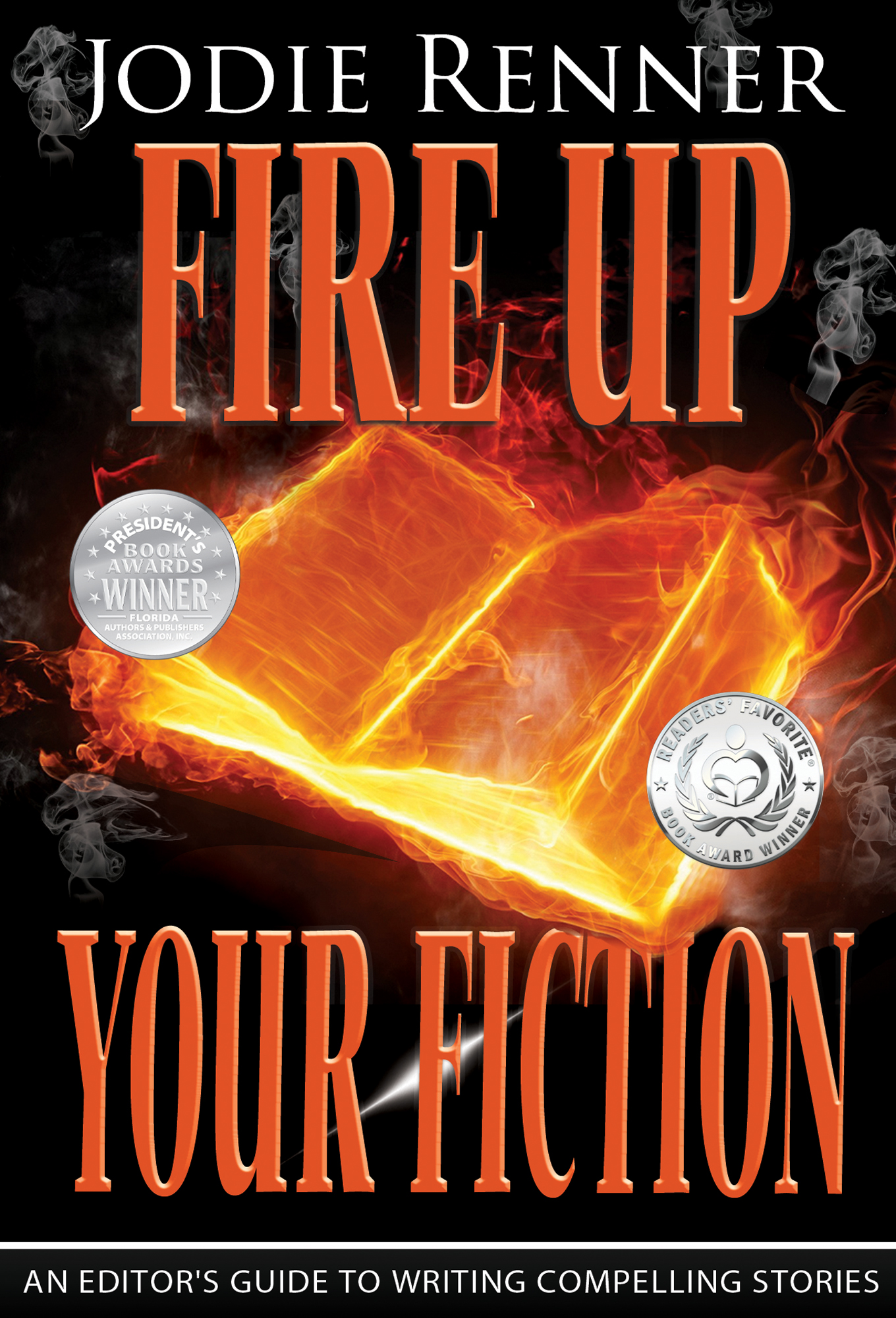
A great book to start with is my short,
sweet, to-the-point, award-winning Editor’s Guide to Writing Compelling Stories, Fire up Your Fiction.
And for additional advice on point
of view, avoiding author intrusions, and showing instead of telling,
peruse Captivate Your Readers.
And if you’re writing a suspenseful story or other fast-paced fiction,
check out my Writing a Killer Thriller for more great tips.
All three are available in
print or e-book, which you can also read on your computer, laptop, tablet, or
smartphone.
And when it comes time to find a freelance
editor, don’t shop for the cheapest one and insist that your manuscript only
needs a quick final proofread or light edit.
That approach will result in a cursory,
superficial, even substandard job, like hiring a painter to paint the exterior of a house that’s falling
over and needs rebuilding, and will actually end up costing you more money in
the long run.
Why?
Because you could well be unaware of how
many structural, content, and stylistic weaknesses your story may contain,
which should be addressed and fixed before the final copyedit stage.
Paying
for a basic copyedit and proofread on a long, weak manuscript, only to find out
later it needs a major overhaul, which will then require rewriting and another full
copyedit, is short-sighted — and money down the drain.
Is your novel more than 90-100K words long? Time to go through and tighten it up!
If your novel is a
rambling 120-130,000 words long, it needs weeding of anything superfluous or repetitious. It’s very likely you need to focus your
story; cut down on descriptions, explanations, and backstory; eliminate or
combine some characters; maybe delete a sub-plot or two; plug some plot
holes; fix point-of-view issues; pick up the pace, make your dialogue snappier; and turn those long, meandering sentences and
paragraphs into lean, mean, to-the-point writing.
Not only will this process make your
story much stronger and more captivating, but it will save you a bundle on
editing costs, since freelance editors charge by the word, the page, or the
hour, and editing your 80 or 90,000-word, tighter, self-edited and revised book
will cost you a whole lot less than asking them to slog through 120-130K words
written in rambling, convoluted sentences.
Is your novel too long? Check out these practical tips:
~ How to Slash Your Word Count by 20-40% …and tighten up your story without losing any of the good stuff!
Your story may even need a structural or
developmental edit.
If you’re at the stage where you know it’s not great, but you’re too close to
your story to pinpoint the weaknesses, perhaps you should hire a developmental
editor or book coach to stand back and take a look at the big picture for you and give you a
professional assessment of your manuscript’s strengths and weaknesses.
Or if
you can’t afford a developmental editor, try a critique group or 3-6 beta (volunteer) readers – smart acquaintances who read a lot in your genre – to give you
some advice on your story line and characters and flag any plot holes or spots where the
story lags or is confusing or illogical, or they can't warm up to the character. Here is a list of questions to ask your beta readers.
Enlist help to ferret out inconsistencies and
inaccuracies.
You don’t want to lose reader trust and invite bad reviews by being careless
about facts and time sequences, etc., either. Find a critique partner or an astute friend or two with
an inquiring mind and an eye for detail and ask them to read your story purely
for logistics. Do all the details make sense? How about the time sequences?
Character motivations? Accuracy of information?
For technical info, do your research or try
to find an expert or two in the field, and rather than asking them to plow
through your whole novel, just send them the sections that are relevant to
their area of expertise.
It’s even possible that you’ve based your
whole story premise on something that doesn’t actually make sense or is just
too far-fetched, and the sooner you find that out the better!
Read it aloud.
Read your whole story out loud to check for a natural, easy flow of ideas,
in the characters’ vernacular and voice, which of course need to suit the tone,
mood, and situation. This part of the process should also help you cut down on awkward
sentences, confusing wording, and overall rambling / wordiness, all of which will turn agents
and readers off.
Run it through grammar check and spell-check.
Or get someone you know who's good at that to go through it for you. Of course, you and they need to keep in mind that fiction is usually written in casual language, with lots of contractions, and the dialogue is often in incomplete sentences, with colloquial and sometimes profane language.
The more advance
work you do, the less you’ll pay for editing.
So, to save money and increase your sales and royalties, after writing your
first or second draft, it’s critical to hone your fiction-writing skills and go through your
manuscript several more times and enlist some beta readers to give you feedback before sending it to an editor.
Also, be sure to find an editor who
specializes in fiction and edits your genre, and get them to do a sample
edit (free or paid) of at least the first four or five pages.
(See my article, “Looking for an editor? Check them out very carefully!”)
Many editors, including myself, will offer a detailed edit and critique
of the first few chapters (not free, of course, and you need to send them a brief synopsis, too, so they'll know what the story is about). I highly recommend you start with that introductory edit. This is often a huge eye-opener for the author and money extremely well-spent, as you can then
use their suggestions to revise the rest of the novel before getting them (or
another editor) to go through the rest, at a – possibly significantly – lower rate because it will now be
cleaner, tighter, and more polished.
And don’t make your main priority finding
the cheapest editor, as they may be just starting out and unaware of important
fiction-writing issues that should be addressed, such as point of view, showing instead of telling, and avoiding info dumps and other author intrusions.
And whatever you do, don’t tie the editor’s
hands by insisting your manuscript only needs a light edit, because that’s
cheaper.
You could well end up paying for that uninformed, “cheap” light edit on an
overlong, weak manuscript, then discovering that the story has big issues that
need to be addressed and requires major revisions, including slashing and
rewriting. Then you’ll have to pay for another complete edit of the new
version! $$ multiplied!
Speaking as a professional editor with 13
years of experience, I have found that often, new writers are unaware of weaknesses in their novels, issues
that can cause rejections or that readers will catch and complain about. You
don’t necessarily know what you don’t know.
Also, check out the editor's guidelines and be sure to send them what they need, including the genre, a brief synopsis (story line), and brief character descriptions.
And be sure to format your novel properly before sending it to an editor or agent:
Times New Roman, 12-point, double-spaced, left-justified, paragraphs indented, no extra space between paragraphs, and one space (not two) between sentences. And don't use Tab or the space bar for indents – that causes headaches. Use the Paragraph function to do it properly.
For more specific tips, see my article, Basic Formatting of Your Manuscript.
Check out these other articles by Jodie
for lots of concrete tips on revising and tightening your novel (Click on the
titles below):
~ REVISE FOR SUCCESS – A Stress-Free, Concrete Plan of Action for Revising, Editing, and Polishing YourNovel
Is your novel more than 90K words?
~ How to Slash Your Word Count by 20-40% …and tighten up your story without losing any of the good stuff!
~ 15 Questions for Your Beta Readers -- and to focus your own revisions
And a handy alphabetical spelling checklist:
~ 90+ Commonly Misused Sound-Alike Word Pairs
Jodie Renner is a freelance fiction editor and the award-winning author of three writing guides in her
series An Editor’s Guide to
Writing Compelling Fiction: FIRE UP YOUR FICTION, CAPTIVATE YOUR READERS, and WRITING A KILLER THRILLER, as well as two clickable
time-saving e-resources, QUICK
CLICKS: Spelling List and QUICK CLICKS: Word Usage. She has also organized
and edited two anthologies for charity. Website: www.JodieRenner.com, Facebook, Amazon Author Page.