Showing posts with label how to write a novel. Show all posts

Saturday, October 2, 2021

NaNoWriMo Prep for Beginners

... and anyone else who could use some ideas to on how to use October to get ready for National Novel Writing Month in November

by Jodie Renner, editor & author   

November is National Novel Writing Month. Many writers use this as an impetus to start a new novel or make significant headway on their writing, or even do a first draft of 50,000 words. If that seems daunting, you can make your goal for NaNoWriMo 30,000 words. That’s 1000 new words per day, rough draft. Or, if you have a busy slate, maybe you just plan to write a short story or two for NaNoWriMo.

October is a great time to do some essential planning for the story you’ll be writing in November, so you can take off from the starting gate with a lot of planning already done.

If you've never written a novel or maybe just a short story or two, here are some tips to plan out and create a compelling story readers will love. Experienced fiction writers may also find these checklists useful as reminders for your next WIP. 

As with most of my advice, these tips are for writing popular fiction, rather than literary fiction. 

First, the Essential Ingredients of a Captivating Story

To engage and captivate readers, you’ll need to:

~ Imagine a unique story world.

~ Choose or invent a believable, interesting setting.

~ Create a fascinating, complicated, vulnerable main character.

~ Give your protagonist a driving goal or desire.

~ Add an antagonist or hindrance of some sort.

~ Create an intriguing plot that revolves around the driving goal and a major dilemma, conflict, threat, or challenge the protagonist faces.

~ As the story goes along, add some more challenges and problems for your protagonist.

~ Try to add a surprise twist or two. Don't make it too predictable.

~ Create a riveting climax where your protagonist is challenged to the max (physically or emotionally or both).

~ Devise a satisfying ending with some resolution.

Planning Your Story:

First, you'll need to create an interesting main character that readers will care about and worry about, and a significant conflict, challenge, dilemma, or obstacle that character encounters. 

Every scene should have some kind of challenge or problem that the protagonist (or viewpoint character for that scene) must deal with.

In planning your story, whether it’s a short story or longer fiction, use this as a rough guide. Make some jot notes under each of these headings.

1. Who’s your target readership (audience)? (rough age group, gender, interests)

2. What kind of story (genre) would you like to write that would interest your target readers? (fantasy, action, chick lit, suspense, romance, mystery, etc.)

3. Who is your main character, and why will readers care about him or her? How is he or she vulnerable? What’s especially interesting about your protagonist?

4. Where and when does this story take place? What’s going on?

5. Who are your character’s sidekicks? (A few close friends or family members)

6. Who is your character’s worst enemy, and why? Invent a rival or antagonist of some kind.

7. What is your main character’s deepest secret, regret, fear, or phobia?

8. What is their biggest hope, their main wish or desire? Their driving goal? Or, as Alan Watt says in The 90 Day Novel, “What do they want? What do they need?”

9. Who or what thwarts that desire? Who or what causes them some major problems? Perhaps related to their secret, regret, or fear.

10. How does the protagonist confront the challenges? What do they do to try to resolve the issues and get (back) to how they want things to be? 


Then, if you have time, you can continue making rough notes on:

11. How do things get worse for them? What will happen if they don’t succeed?

12. What’s their lowest point, their bleakest moment, when all seems lost?

13. How do they finally manage to resolve (most of) the issue or defeat the enemy?

14. How is their life different now?

15. How have they changed by what they’ve been through? (Character arc)

If you answer all of the above questions, you’ll have a compelling story readers won’t want to put down.

Create a Potential Back-Cover Blurb:

Here’s a premise in a nutshell for a gripping, entertaining story your readers will love:

Use this as a general guideline for mapping out your story, novel, or novella:

(Hero or heroine’s name) wants ... (what will complete their life, make them happy, fulfill their main goal, satisfy their biggest hope or desire?). But he/she is hampered by ... (describe the misfortune, conflict, dilemma, problem, villain), and s/he has ... (time limit or other hindrance) to ... (describe the almost impossible task) or ... (describe a negative consequence that will happen). He/she has to choose between... and .... (Continue from there.)

Good luck with your October planning for November's NaNoWriMo!

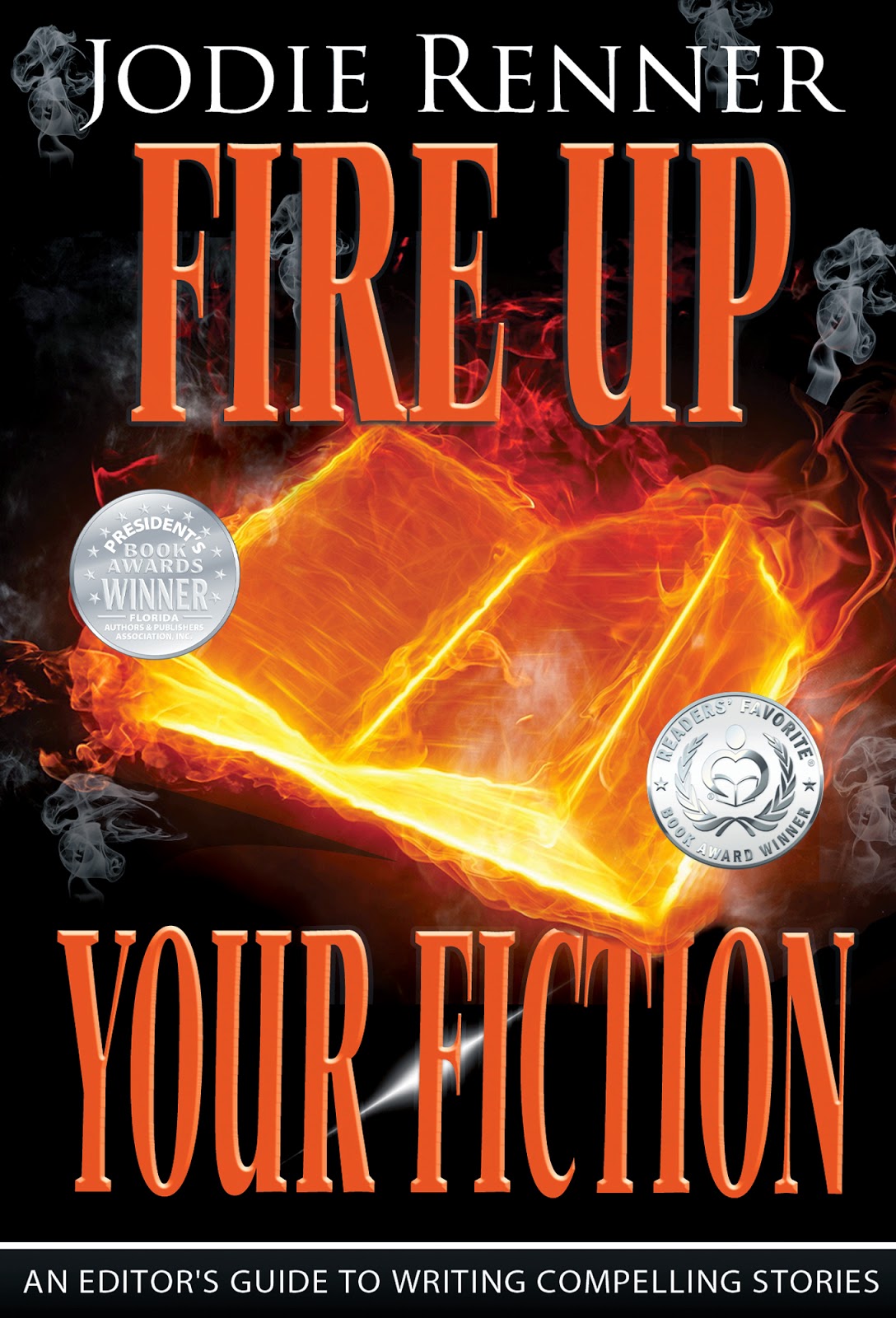
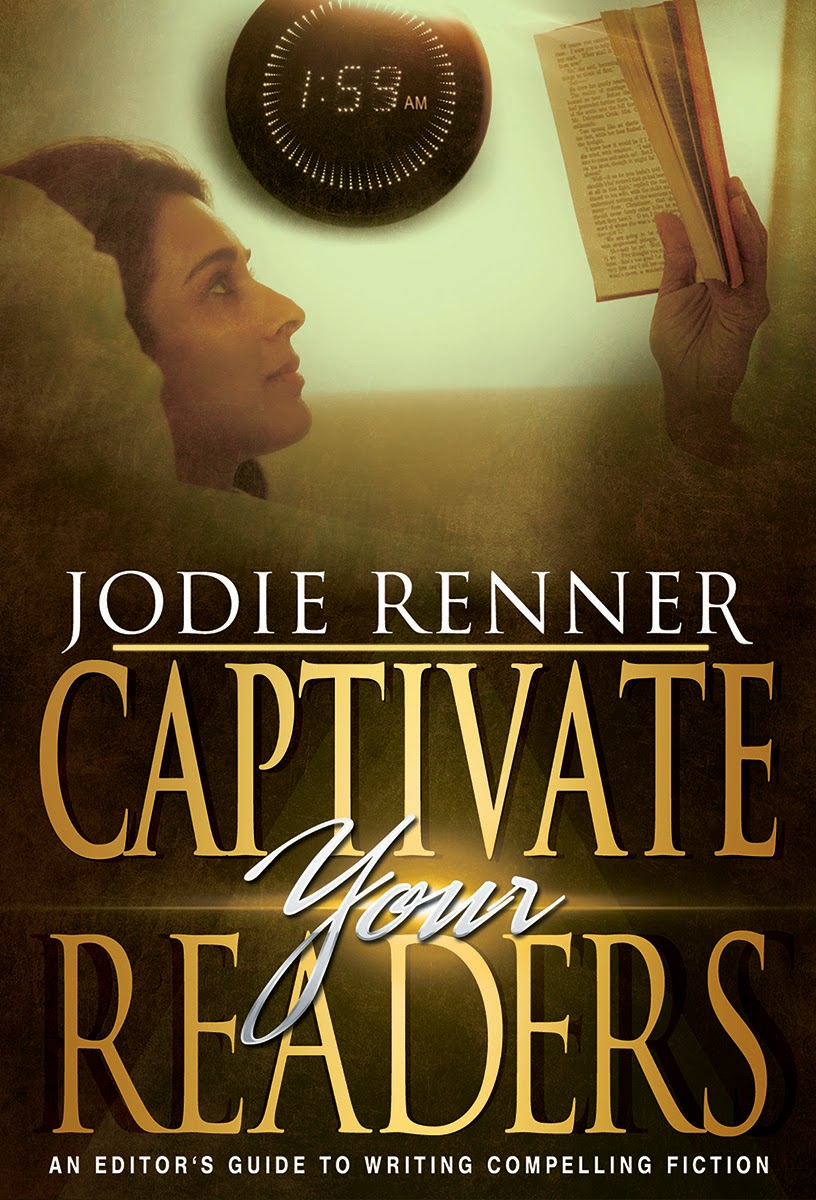
For more fiction-writing tips, explore this blog and check out my award-winning, reader-friendly writing guides, which all have lots of bolded subheadings, bulleted points, and before-and-after examples. Click on the links below:

Jodie Renner is a freelance fiction editor and the award-winning author of three writing guides in her series An Editor’s Guide to Writing Compelling Fiction:
FIRE UP YOUR FICTION, CAPTIVATE YOUR READERS, and WRITING A KILLER THRILLER, as well as two clickable time-saving e-resources, QUICK CLICKS: Spelling List and QUICK CLICKS: Word Usage. She has also organized and edited two anthologies. Website: https://www.jodierenner.com/, Facebook, Amazon Author Page.


Saturday, September 28, 2019

How to Create Workable Scene Outlines for Your Novel

by Jodie Renner, editor & author   

Are you on the first or second draft of your novel and feel like it's a bit of a muddle? Are you feeling a bit overwhelmed? Maybe thinking of rearranging or eliminating some scenes or chapters, but the task feels daunting?

Here's a quick and easy way to find some clarity. Below you'll see a template for briefly outlining each of your scenes so you can see at a glance if the order works and if each scene is engaging, meaningful, and drives your story forward.

After you've outlined all your scenes using the template below, cut them apart and play with the order of them. Maybe condense and combine a few, or even eliminate any that don't have enough tension or contribute to the story as a whole. Make notes on the back or on a separate document as to possible rearranging and ways to add more tension, conflict, and intrigue to any scenes that may need it. Possibly even show that scene from the point of view of a different character?

First, what’s a scene?

Although most novels are divided up into chapters, the scene is the fundamental unit of fiction. Each scene is a mini-story, with a main character who faces a problem, dilemma, or challenge. Every scene needs some tension or conflict, even if it's just internal, and at the end of each scene, at least one of the main characters should have gone through some sort of change or be facing a new challenge or dilemma. Otherwise, the scene isn’t pulling its weight and needs to be revised or cut. Every scene needs a mission (goal), an obstacle, and an outcome (usually a question or new problem). For more on scenes, see Jodie’s article “Every Scene Needs Conflict and a Change.”

Remember that, to keep the readers turning the pages, every scene or chapter should end on an unresolved note, a question, a surprise, a shock, a setback, a reversal, a revelation, a new dilemma or challenge, a veering in a new direction, or an unexpected action or event.

A modern novel normally has several dozen scenes. Each scene can range in length from a few paragraphs to a dozen pages or more. A chapter can contain one scene or several. Some authors like to use jump cuts, where they “cut away” in the middle of a scene to go to a different scene, then perhaps interrupt that one in the middle to go back to the first scene and resume where they left off.

Using the Scene Outline:

The outline below will help you organize your scenes and decide if any of them need to be moved, revised, amped up, or cut.

This is a great tool for both plotters and "pantsers". Plotters/outliners can use it to outline your scenes early on in the process; and those of you who prefer to just let the words flow and write “by the seat of your pants” can use it later, to make sure the timeline makes sense and the scene has enough conflict/tension and a change. 

In your outline, keep each scene description to a minimum. Don’t get carried away with too many details, or the task could become arduous. The most important thing is the POV (point of view) character’s goal for that scene, and what’s preventing him/her from reaching that goal, plus new conflicts / problems / questions that arise.

And you can use a different font color or highlight color for each main character, for a quick reference on who was the POV (viewpoint) character for each scene. Also, you can print it up and cut them out to rearrange the scenes, or use a writing software for that.

If in doubt as to who should be the viewpoint character for that scene, most often it’s your protagonist. The point of view character for a particular scene can also, less often, be your antagonist or another main character. Almost never a minor character. If you can’t decide who should be the POV character for a particular scene, go with the character who has the most invested emotionally or the most to lose.

SCENE OUTLINE FORM:           


SCENE 1

Place (Setting):        

Date/Month/Season:

Year (approx.):   

POV character for this scene:

Other main characters here:

POV character’s goal here:

Motivation for their goal (why do they want that?):

Main problem / conflict – Who/What is preventing POV character from reaching his/her goal:

Outcome – Usually a setback / new problem:

(And/or new info, revelation, new question, or, rarely, the resolution of the problem):

         
SCENE 2

Place: 

Date/Month/Season: Year (approx.):

POV character: 

Other main characters:    

POV character’s goal:

Motivation for their goal: 

Main problem/conflict/question:

Outcome (most often a setback):


SCENE 3

Place: 

Date/Month/Season: Year (approx.):

POV character:


Other main characters:   

POV character’s goal:

Motivation: 

Main problem/conflict/question:

Outcome (most often a setback): 


 SCENE 4


Place:

Etc. Continue for as many chapters and scenes as you have.


Jodie Renner is a freelance fiction editor and the award-winning author of three craft-of-writing guides in her series An Editor’s Guide to Writing Compelling FictionWRITING A KILLER THRILLER, FIRE UP YOUR FICTION, and CAPTIVATE YOUR READERS, as well as two clickable time-saving e-resources, QUICK CLICKS: Spelling List and QUICK CLICKS: Word Usage. She has also organized two anthologies for charity: VOICES FROM THE VALLEYS – Stories and Poems about Life in BC’s Interior, and CHILDHOOD REGAINED – Stories of Hope for Asian Child WorkersYou can find Jodie on her Amazon Author Page, at www.JodieRenner.com, and on Facebook. 

Thursday, September 26, 2019

REVISE FOR SUCCESS – Concrete Tips for Revising and Editing Your Fiction

by Jodie Renner, editor & author 

After you’ve finished the first draft of your popular fiction novel or short story – or even if you’re only a third or halfway into it but have some nagging doubts about the viability of various aspects of the story – take a short break. Put your manuscript aside for at least a week or two and concentrate on other things. Then come back to it with a bit of distance, as a reader.

Here's a step-by-step guide to looking for any possible weaknesses in your premise, plot, characterization, or writing style. This is a pretty detailed list, so just approach it one step at a time, over days and weeks, maybe even months. Click on the links after each point for more in-depth suggestions on that topic.

STEP 1: LOOK FOR ANY BIG-PICTURE ISSUES.


~ PREMISE

Is your main idea intriguing and solid? Will the foundation of your story stand up to scrutiny? Does your main character have a driving goal and face significant challenges that he/she must overcome?

~ CHARACTERIZATION:
 
Is your protagonist charismatic, multi-dimensional, conflicted, and at least somewhat sympathetic and likeable? Does he/she change as a result of what he/she goes through in the course of the story? (character arc)

Click to read: Create a Complex, Charismatic Main Character.

Does your protagonist have significant, meaningful goals and motivations? What is driving him or her?

Do your characters’ decisions and actions seem realistic and authentic?

Click on this link: Make Sure Your Characters Act in Character

Also, are your supporting characters different from each other and the protagonist, for interesting contrast and tension?

~ POINT OF VIEW: 

Are you staying firmly in the head of the viewpoint character for each scene, or are there places where you’re hovering above or inadvertently slipping into the thoughts of other characters (head-hopping)? Click on the links below.

POV 101: Get into Your Protagonist’s Head and Stay There 

POV 102 – How to Avoid Head-Hopping 

POV 103 – Engage Your Readers with Deep Point of View 

~ PLOT: 

Does your protagonist have a significant challenge or dilemma that’s difficult to solve? Are you piling on the problems as the story goes on? Make sure every plot point directly affects the character and his journey. See Writing a Killer Thriller for essential tips that apply to all popular fiction.

~ STRUCTURE: 

Should you start your story or any of your scenes later? Or earlier? Would it be more effective to change the order of some chapters or scenes? Shorten some or expand others? Or even delete a few?

~ SCENES: 

Does every scene have some tension and conflict? Does every scene end with a question or dilemma that drives the story forward? See

Every Scene Needs Tension and a Change.  

Make brief scene outlines, using this template:

   Scene: Chapter: Place:
   - Date/Month/Season: Year (approx.):
   - POV character for this scene:
   - Other main characters here:
   - POV character’s goal here:
   - Motivation for their goal (why do they want that?):
   - Main problem/conflict – Who/What is preventing POV character from reaching his/her goal:
  - Outcome – Usually a setback / new problem:

Revise any scenes that don’t have conflict and a change and don’t advance the story. 

~ CONFLICT, TENSION and INTRIGUE: 

Every novel, no matter the genre, needs conflict, tension, and intrigue  and a certain amount of suspense. For practical advice on how to keep readers turning the pages, see my writer's guide, Writing a Killer Thriller and this article:

 Add Tension, Suspense, and Intrigue.

~ POTENTIAL PLOT HOLES, inconsistencies, or discrepancies: 

Ask others to watch out for any accidental bloopers in your story that will erode reader confidence. These might be related to the passage of time, moving in space, names suddenly changing, and other details that don't make sense.

~ OPENING: 

Will your opening paragraphs and first pages hook the readers and entice them to keep reading? Don’t warm up your engines with backstory or start with lengthy description – get right into the story from the first line, in the head of your protagonist.

12 Dos and Don’ts for a Riveting Opening.

~ LENGTH:
 
Is your story too long or too short? If it’s more than 90,000 words (okay, unless it’s a fantasy or epic), check out:

How to Slash Your Word Cut by 20-40% - Without losing any of the good stuff!

This would be a good time to send your story off to some trusted beta readers, volunteers who read critically in your genre. They don’t need to be writers.

Here’s a list of 15 Questions for Your Beta Readers – And to Focus Your Own Revisions

STEP 2: WRITING STYLE, VOICE, TONE, AND PACING


~ SHOW, DON'T TELL

Be sure to show, rather than tell, all critical scenes in real time, with action and dialogue, and quickly summarize or skip over humdrum scenes. See my article, Show, Don't Tell.

~ SHOW CHARACTER REACTIONS. 

Bring characters to life on the page by showing their emotions, physical reactions, thought reactions, and sensory perceptions.

See: Bring Your Characters to Life by Showing Their Reactions and

Immerse Your Readers with Sensory Details.

~ RELAX YOUR WRITING. 

Is your writing style too correct and formal for fiction? If so, loosen up the language. Read it aloud to see where you can make it more casual by streamlining sentences and using contractions and everyday words.

See Tips for Loosening up Your Writing.

~ VOICE:
 
Does each of your main characters have a unique voice? Or do they all sound like each other and the author? Beware of writing in a too-correct, nonfiction style. Remember that men usually speak differently than women, and a blue-collar guy shouldn't sound like a businessman or teacher. Use free-form journaling in the character's secret diary, especially when they're upset, to capture their true inner and outer voice, with plenty of attitude.

See: Concrete Tips for Developing a Unique Voice in Your Fiction

Developing a Strong Third-Person Voice, and also my book, Captivate Your Readers

~ SPARK UP YOUR PROSE.
 
Use strong, specific nouns and verbs instead of tired, overused ones. For more ideas on this, check out my book, FIRE UP YOUR FICTION and the following article:

 Nail it with Just the Right Word.

~ PICK UP THE PACE. 

Does your story drag in places? Are your descriptions too lengthy and neutral-sounding?
See: Pick up the Pace for a Real Page-Turner

~ WRITE TIGHT. 

Read your story aloud to see where you can cut down on wordiness and repetitions. Take out any “little word pile-ups” and all unnecessary detail to improve flow and pacing. Make every word count. See many chapters of Fire up Your Fiction for more specifics on this, and my post,

Don’t Muddle Your Message.  

~ WRITE AUTHENTIC DIALOGUE.
 
Read the dialogue out loud to make sure it sounds natural, like that character would actually speak. See my blog post,

 Tips for Writing Effective Dialogue.

Avoid these Style Blunders in Fiction.

STEP 3: FINAL PROOFREADING


Now it's time to go through the revised copy and look for typos, spelling, punctuation, missing or repeated words, convoluted sentences, and anywhere the prose doesn’t flow easily and sparkle. 

Also, look for formatting problems. Is your prose broken down into short paragraphs, for more white space? Have you started a new paragraph for every new speaker? Is your dialogue properly punctuated? See my article

Dialogue Nuts and Bolts.

Some techniques that work for effective proofreading:

~ Change the font and print out your story on paper or download it to your e-reader or tablet; or get a sample book printed. Then read it in a different location from where you wrote it (preferably away from your home) and make notes. 

Use the text-to-voice function of Word to listen to your story or make the font a lot bigger and read it out loud yourself.      

For more tips on effective final proofreading, see my article,

Tricks and Tips for Catching All Those Little Typos in Your Own Work.

Also, see How to save a bundle on editing costs – without sacrificing quality and

  Basic Formatting of Your Manuscript (Formatting 101) 


Jodie Renner is a freelance fiction editor and the award-winning author of three craft-of-writing guides in her series An Editor’s Guide to Writing Compelling FictionWRITING A KILLER THRILLER, FIRE UP YOUR FICTION, and CAPTIVATE YOUR READERS, as well as two clickable time-saving e-resources, QUICK CLICKS: Spelling List and QUICK CLICKS: Word Usage. She has also organized two anthologies for charity: VOICES FROM THE VALLEYS – Stories and Poems about Life in BC’s Interior, and CHILDHOOD REGAINED – Stories of Hope for Asian Child WorkersYou can find Jodie on her Amazon Author Page, at www.JodieRenner.com, and on Facebook. 

Friday, August 30, 2019

Create a Charismatic, Complex Character Readers Will Worry About

by Jodie Renner, editor & author     

(Excerpted from Captivate Your Readers)

What's the secret to engaging potential readers and compelling them to keep reading? Make them identify with, root for, and worry about your main character!

Your novel can have an intriguing premise and riveting plot, but if your lead character is bland, wimpy, ditzy, arrogant, or lacking in personality or drive, readers won’t warm up to him or care what happens to him, so they’ll put the book down. Conversely, if your protagonist is fascinating, sympathetic, and clever, but complicated, readers will be drawn to him and start worrying about him, which is exactly what you want. A worried reader is an engaged reader.

“Living, vibrating human beings are still the secret and magic formula of great and enduring fiction.” ~ Lajos Egri

Unsuccessful authors very often have written a promising story, but have neglected to develop their characters sufficiently. You should spend as much or more time creating depth for your lead character and learning about her strengths and weaknesses, her fears, secrets, regrets, hopes, motivations, needs, and desires as you do on creating an exciting plot. 

As Elizabeth Lyon points out in A Writer’s Guide to Fiction, “Characterization is the bedrock of fiction and the reason most people read it. What endures in our hearts and minds over time is the heroes, heroines, and villains. Less often do we recall their plots. The fiction writer’s greatest challenge is character development.”

A big mistake newbie fiction writers make is modeling their main character too much after themselves or someone they know. Instead, to hook readers, create a fascinating lead character, one who is larger than life, more charismatic, braver, more determined, and also more troubled, with more secrets and inner conflict than the average person you know. Those attributes will make them appealing and worth following and cheering on for a whole story.

Don’t annoy your readers by making your main character:

~ Flat, superficial – a cardboard character

To avoid a one-dimensional, boring protagonist, you’ll need to create a complicated backstory for him, including his fears, regrets, insecurities, and desires, as well as his hopes, strengths, and talents. Also, give him conflicting desires.

To get to know your character’s deepest secrets, his hopes and fears, his weaknesses and regrets, and his wants versus his needs, try putting him on the psychiatrist’s couch or journaling in his voice. Write in his secret diary every day, in free, stream-of-consciousness form – just let the ideas flow. Let the character vent his frustrations uncensored. What’s his strongest desire right now? Why is he afraid he might not get it? What or who is standing in his way or frustrating him? What is he worried about? Angry about? What secret is he harboring that he hopes no one will discover? Why? Let the character vent here.

Also, in the actual story, a sure-fire way to deepen your character and your readers’ engagement is to have him react more to events. Show how he’s feeling, through his thoughts and his emotional, physical, and sensory reactions, as well as his words and actions. An emotionally flat character will leave readers cold, and they’ll start thinking about what else they should be doing.

~ Nerdy, dull – lacking in charisma or sex appeal

As James Scott Bell says in Revision and Self-Editing, your lead character should have “grit, wit, and it.” Grit is courage, determination, and resourcefulness. Wit, the ability to make the occasional witty or humorous comment, can rescue a character from maudlin self-pity or a moment from being overly sentimental or sappy. Wit also refers to cleverness, the ability to solve problems and think quickly in sticky situations. And “it,” according to Bell, means “personal magnetism – sex appeal as well as a quality that invites admiration (or envy) among others. Someone who walks into a room and draws all the attention has ‘It.’” 

So be sure to make your protagonist charismatic, with lots of personality and sex appeal – and plenty of attitude.

~ Too wimpy, too whiny, too victimized

Don’t have a primary character who’s fearful about everything, who’s always reacting rather than acting, who just takes what’s dished out to her. Or one who’s victimized, who doesn’t rise to the challenge or fight back. A character who’s constantly feeling sorry for herself gets tiresome quickly, and readers will lose patience with her and put the book down.

If you want your protagonist to start as a bit of a wimp, then get stronger as the story progresses, don’t go on like that for too long. Make her gather her courage and wits and search for ways out of her predicament. In other words, she needs to be forced by circumstances to become stronger, more courageous, more resilient. No one wants to read about someone with a million different phobias or who’s wallowing in self-pity or afraid to make a move to improve her life. We need to see some grit, some resourcefulness, some fight!

As Jack M. Bickham says in his little gem, The 38 Most Common Fiction Writing Mistakes (And How to Avoid Them), “Fiction writers too often forget that interesting characters are almost always characters who are active – risk-takers – highly motivated toward a goal. Many a story has been wrecked at the outset because the writer chose to write about the wrong kind of person – a character of the type we sometimes call a wimp.” 

So don’t model your hero or heroine after someone you know. They need to be stronger, braver, more resourceful and more intelligent. As Jessica Page Morrell puts it in Thanks, But This Isn’t For Us, “Fictional characters venture into physical and emotional territory where most of us would fear to tread.” Readers who lead a humdrum life want to escape and vicariously live a more exciting one, through the head and heart of someone who’s not afraid to challenge herself and confront her fears head-on. 

On the other hand, don’t go to the other extreme and make your protagonist:

~ Cold, unfeeling, arrogant

Your main character can and should have a few inner conflicts and character flaws, but overall, she needs to be at least somewhat sympathetic and likeable – not cold or arrogant. Your reader wants to be able to identify immediately with your lead character, to start caring about her and worrying about her. If the readers don’t warm up to your protagonist and care about what happens to her within the first few pages, they’ll very likely put down the book and go on to another one. If you have a tough hero with a gruff exterior, try to show some glimmers of hope, some redeeming qualities early on. Maybe show him to be sensitive or caring in some small ways, like perhaps he rescues a dog or cat in the traffic. Robert Crais does this with his gruff, strong, silent hero, Joe Pike. 

Also, don’t make your character:

~ Too perfect 

A too-perfect character is insufferable. Don’t make your hero or heroine constantly cheery, selfless and giving, stunningly beautiful or handsome, super popular, or perfectly sculpted and toned – in other words, too good to be true. Perfect people are both boring and annoying. They’re boring because nothing really challenges them, so we can’t identify with them; they’re annoying because they don’t have to work for things like the rest of us – everything’s handed to them on a platter. And they’re so unrealistic we think they must be faking it. And let’s face it, we’re probably jealous of them. You want readers to identify with and bond with your protagonist, not envy them.

Nobody likes a “goody-goody two-shoes,” and unless you’re writing a story for very young children, a main character who’s always positive (a “Pollyanna”) is annoying, too. So be sure not to make your protagonist nicer, kinder, or more selfless than your average person. Give them some character flaws, some secrets, regrets, and insecurities, a weakness or two, and maybe even a phobia. 

Along the same lines, don’t make your protagonist:

~ Too smart, too powerful

If your hero is ultra-smart and all-powerful, even big problems and challenges will be minor, a mere bump in the road. If he’s not sweating or stressed or in danger, readers aren’t going to worry about him. And if readers aren’t worrying about the hero or heroine of the book, they aren’t emotionally engaged. Which means they can put down the book at any time and look for one that engages them. So don’t make your character a genius or invincible. Give him some human qualities and foibles. Even Superman could be weakened by kryptonite and was vulnerable and off-guard whenever Lois Lane was threatened.

On the other hand, don’t make your character:

~ Clueless or oblivious

If your protagonist is too dumb to figure out what’s going on, to pick up on all or most of the clues, readers will feel like yelling at him or throwing the book across the room. Readers have no patience with a detective or other hero who’s dumber than they are. They expect to meet a bright, resourceful main character, one who’s worth their investment of time, one who warrants their support. If something obvious is staring your character in the face and he’s not seeing it or getting it, find a way to make that info less evident, so a smart, savvy character could realistically miss it.

Similarly, don’t make your character:

~ Ditzy, silly, or immature

Beware of airheads. They can be great for minor characters, but your hero or heroine needs to be someone readers can admire and identify with, not someone to scoff.

So when inventing your story’s protagonist, be sure to make him likeable, charismatic, and complex enough to be interesting. He should be intelligent, brave, and somewhat strong, but with emotional depth and a few flaws, secrets, and insecurities or vulnerabilities. And he needs to be able to draw on inner strengths and resources to take on adversity and overcome odds. If your main character is flat, boring, perfect, arrogant, dumb, or a wimp, readers won’t want to follow him for a whole story. They’ll lose patience and find another book to read.

And don’t make your villain 100% evil, either! He or she also needs to be multi-faceted – and intelligent, determined, and powerful – a worthy opponent for your protagonist.

Click HERE for options to receive email alerts of new posts published on this blog.

Jodie Renner is a freelance fiction editor and the award-winning author of three craft-of-writing guides in her series An Editor’s Guide to Writing Compelling FictionWRITING A KILLER THRILLER, FIRE UP YOUR FICTION, and CAPTIVATE YOUR READERS, as well as two clickable time-saving e-resources, QUICK CLICKS: Spelling List and QUICK CLICKS: Word Usage. She has also organized two anthologies for charity: VOICES FROM THE VALLEYS – Stories and Poems about Life in BC’s Interior, and CHILDHOOD REGAINED – Stories of Hope for Asian Child WorkersYou can find Jodie on her Amazon Author Page, at www.JodieRenner.com, and on Facebook. 

Monday, September 1, 2014

FIRE UP YOUR FICTION Wins Another Award!

by Jodie Renner, editor & author

I'm pleased to announce that my editor's guide to writing compelling stories, FIRE UP YOUR FICTION, has won a third book award.

It just received another Silver Medal, this one in the Readers' Favorite Awards, in the category of Writing and Publishing.


Congratulations Jodie Renner!
Fire up Your Fiction
is a 2014 Readers' Favorite Silver Medal Winner in the Non-Fiction - Writing/Publishing category!

Here's the certificate I received from Readers' Favorite Book Awards:

 
And the 5-star review this book received on the Readers' Favorite website:

Reviewed By Bil Howard for Readers’ Favorite

"Jodie Renner has done fiction writers a huge favor by compiling her blogs into Fire Up Your Fiction: An Editor’s Guide to Writing Compelling Stories. She covers subjects that can get a story moving and not only draw the reader in, but hold their attention and keep them turning pages.

"She covers the issues involved with creating and keeping conflict, tension, and action burning throughout your story and showing rather than telling. [...]

"Renner also discusses wordiness and the use of clichés, as well as cutting down your word count in order to get to the action and keep it moving. She also gives excellent advice on how to make your dialogue sizzle; a problem for nearly every author. All in all, this volume is packed with plenty of digestible literary protein that will feed writers and make them eager for action. [...]

"Packed with information, accurate and inspiring, Fire Up Your Fiction: An Editor’s Guide to Writing Compelling Stories will help you transform your fiction into a more marketable product." 

Fire up Your Fiction - An Editor's Guide to Writing Compelling Stories was also awarded a Silver Medal from the Florida Authors & Publishers President's Book Awards and an Honorable Mention from the Writer's Digest Self-Published Book Awards in 2013, and was a Finalist in Foreword Reviews' IndieFab Book Awards and National Indie Excellence Book Awards.

Comments on this book by bestselling "writing gurus": 

"This book is packed with good advice on how to spot and fix weaknesses in your fiction writing. It summarizes the combined wisdom of the last century or so of fiction teachers into one handy volume."
- Randy Ingermanson, bestselling author of Writing Fiction for Dummies

"A handy checklist and self-editing guide that will get any fiction writer to a stronger, well-told tale."
- James Scott Bell, bestselling author of Revision & Self-Editing, Plot & Structure, and Conflict & Suspense

Brief excerpts from other comments by judges:

"What a wonderful resource for writers at any stage of their career! I wish I had this book when I first started writing. ... I can't think of anything important that you haven't addressed succinctly and clearly. ... This should be on the booklist for Master's Programs in Writing for Publication. ... You must be a wonderful editor to be able to write such a readable, but comprehensive book."

- Judge, Writer's Digest Self-Published e-Book Awards, January 2014

“the Strunk & White for writers who want to be not just mere storytellers but master story-compellers.”

- Lucy Wang, reviewer for IndieReader

Amazon Reviews:

Fire up Your Fiction has received 85 reviews on Amazon.com to date, with an overall average of 4.8 out of 5 stars. Many writers and aspiring authors have emailed me to tell me how much this book and my other book, Writing a Killer Thriller, have helped them tighten up their writing and make it more compelling. If you have read either of my books and found them helpful for your writing, I'd love it if you could write a review on Amazon.

Click on the book title to go to Jodie Renner's eBooks on Amazon:

Fire up Your Fiction - An Editor's Guide to Writing Compelling Stories

Writing a Killer Thriller - An Editor's Guide to Writing Compelling Fiction

And look for Captivate Your Readers, out in late 2014, as well as two shorter resources, Grammar on the Go and Spelling on the Go.


Jodie Renner, editor & author       
www.JodieRenner.com
www.JodieRennerEditing.com

Join me on Facebook and Twitter


Wednesday, May 14, 2014

Bring Your Characters to Life by Showing Their Reactions

by Jodie Renner, editor & author 

A novel won’t draw me in unless I start caring about the protagonist and worrying about what’s going to happen to her – in other words, until I get emotionally engaged in the story. And it’s the same for most readers, I think. For me to warm up to the protagonist, he has to have some warmth and vulnerability and determination, some hopes and insecurities and fears.

As readers, to identify with and bond with the protagonist – and other characters – we need to see and feel their emotions and reactions to people and events around them. When the character feels and reacts, then they come alive for us and we get emotionally invested and start to worry about them and cheer for their small victories. Once you have your readers fretting about your hero and rooting for him, they’re hooked.

As the late, great Jack M. Bickham said, “Fiction characters who only think are dead. It is in their feelings that the readers will understand them, sympathize with them, and care about their plight.”

Show those feelings.

So bring your characters to life by showing their deepest fears, worries, frustrations, hopes and jubilations. If readers see your hero pumped, scared, angry, or worried, they’ll feel that way, too. And a reader who is feeling strong emotions is a reader who is turning the pages.

And engage the readers’ senses, too, so they feel like they’re right there, by showing us not only what the character is seeing, but what they’re hearing, smelling, touching, sensing, and even tasting.

Show their physical reactions, too.

Besides showing us your character’s emotional reactions, show their physical reactions as well to what’s happening to them.

Show the stimulus before the response, and show the reactions in their natural order.

To avoid reader confusion and annoyance, be sure to state the cause before the effect, the stimulus before the response, the action before the reaction.

And to mirror reality, it’s important to show your character’s visceral reaction to a situation first, before an overt action or words. And show involuntary thought-reactions or word-reactions, like a quick “ouch” or swear word, before more reasoned thought processes and decision-making.

As Ingermanson & Economy put it, “Here’s a simple rule to use: Show first whatever happens fastest. Most often, this means you show interior emotion first, followed by various instinctive actions or dialogue, followed by the more rational kinds of action, dialogue, and interior monologue.”

And don’t skip those first steps! Remember, we’re inside that character’s head and body, so you deepen their character and draw us closer to them by showing us what they’re feeling immediately inside – those involuntary physical and thought reactions that come before controlled, civilized outward reactions.

As Bickham points out, it’s important to imitate reality by showing the reactions in the order they occur. You may not show all of these reactions, but whichever ones you choose, show them in this order.

First, show the stimulus that has caused them to react.  

Then show some or all of these responses, in this order:

1. The character’s visceral response
– adrenaline surging, pulse racing, stomach clenching, heart pounding, mouth drying, flushing, shivering, cold skin, tense muscles, sweating, blushing, shakiness, etc.

2. Their unconscious knee-jerk physical action – yelling, gasping, crying out, snatching hand or foot away from source of heat or pain, striking out, etc.

3. Their thought processes and decision to act

4. Their conscious action or verbal response

Showing your characters’ feelings and responses will bring them to life on the page for the readers and suck readers deeper into your story world, your fictive dream.

But don’t go overboard with it — you don’t want your protagonist to come across as gushing or hysterical or neurotic. It’s important to strike a balance so the readers want to relate to and empathize with your main character, not get annoyed or disgusted with her and quit reading.

So how do we strike that balance? How do we as writers find the emotions to bring our characters to life, but also find a happy medium between flat, emotionless characters that bore us and hysterical drama queens or raging bulls that make us cringe?

Bickham advises us to consider how we’ve felt in similar circumstances, then overwrite first, and revise down later. “I would much prefer to see you write too much of feeling in your first draft; you can always tone it down a bit later…. On the other hand, a sterile, chill, emotionless story, filled with robot people, will never be accepted by any reader.”


Jodie Renner is a freelance fiction editor and the award-winning author of three craft-of-writing guides in her series An Editor’s Guide to Writing Compelling Fiction: FIRE UP YOUR FICTION,  CAPTIVATE YOUR READERS, and WRITING A KILLER THRILLER, as well as two clickable time-saving e-resources, QUICK CLICKS: Spelling List and QUICK CLICKS: Word Usage. She has also organized two anthologies for charity: VOICES FROM THE VALLEYS – Stories and Poems about Life in BC’s Interior, and CHILDHOOD REGAINED – Stories of Hope for Asian Child Workers  Website: www.JodieRenner.com; Facebook. Amazon Author Page.

Wednesday, April 30, 2014

Show, Don't Tell


by Jodie Renner, editor & author   

"SHOW, DON’T TELL" is the most familiar mantra among advisors to fiction writers, and one of the most difficult concepts for new fiction writers to grasp. Mastering this concept will make a huge difference in the quality of your stories.

What does it mean? It’s about bringing the scene to life and putting the reader right there, inside your character, experiencing her fear along with her, feeling the sweat on her brow and her adrenaline racing, your pulse quickening right along with hers, muscles tensed, ready to leap into action.

~ Cut back on narration, description, and exposition.

Remember this: Story trumps all. Keep the story moving and the characters interacting. The author stepping in to describe or explain things to the readers brings the story to a screeching halt and can be distracting, boring, and irritating for readers.

~ Don’t tell us what happened – show us what happened.

A common mistake among aspiring fiction writers is to describe or narrate (tell) events as if they took place at some point in the past, instead of putting the reader right in the middle of the action and showing the events as they occur, in real time, along with the characters’ actions, reactions, inner thoughts and feelings, and actual words (direct dialogue in quotations). 

To clarify what is meant by “show, don’t tell,” think of it this way: Which would you rather do, go see an exciting movie in a theatre with a big screen and surround sound (“show”), or hear about the movie from someone else afterward (“tell”)? That’s the difference we’re talking about here.

Janet Evanovich considers “show, don’t tell” to be one of the most important principles of fiction: “Instead of stating a situation flat out, you want to let the reader discover what you’re trying to say by watching a character in action and by listening to his dialogue. Showing brings your characters to life.”

~ Don’t get in the way or interpret for us.

We like to experience things for ourselves, not hear about them from someone else. Think about watching those slide shows with narration, from your neighbors’ vacation. Yawn. In the same way, readers of popular fiction don’t want to be kept at arm’s length, to be told what’s happening by an intermediary narrator. They want to experience the events firsthand, to see, hear and feel what’s happening. They want to sense the character’s fears, hopes, joys and worries and draw their own conclusions.

As Jack Bickham says, “Not only does moment-by-moment development make the scene seem most lifelike, it’s in a scene [with dialogue and action and reaction] where your reader gets most of his excitement. If you summarize, your reader will feel cheated – short-changed of what he reads for – without quite knowing why.”

It’s through characters interacting that a scene comes alive, so be sure to put us right there with the characters, in the middle of the tension and conflict, using “live” action and dialogue.

~ Also, no need to “tell” after you’ve “shown.”        

Before:

“You’re late!” the general said. He didn’t like to be kept waiting.

Don’t explain after the fact. The words and actions should convey it.

After:

“You’re late!” The general glared at him, hands on hips.

Other no-no examples of telling after showing:

In each case, take out the unnecessary sentence at the end:

She moped around the house and wouldn’t answer the phone. Even TV didn’t interest her. She was depressed.

“You crack me up,” she said, laughing hysterically. Joel could be so funny.

~ Use deep point of view.

Use close third-person point of view (or first person) to put us right into your protagonist’s or other main character’s head and skin. Show us her thoughts, reactions, and plans, his inner fears, hopes, resentments, anger, confusion, tenderness, relief, and joy. Don’t keep the reader at arm’s length by describing your hero or heroine from the outside, using omniscient or distant third-person point of view.

~ Evoke all five senses.

Showing means presenting the story to the reader using sensory information. The reader wants to feel what the character is feeling, experience their fear, joy, anger, determination, and pain, know their inner hopes and thoughts, and also see what’s happening, hear the different voices of the characters and other sounds, smell the smells, feel the tactile sensations, and taste the food and drink along with them. Telling, on the other hand, is summarizing the story for the reader in a way that skips past the life-giving sensory information and just relates the basic actions and events that occurred.

~ Use powerful, evocative phrasing.

As Jessica Morrell says, “adjectives tell and verbs show. For example, instead of “It was a shiny necklace,” trade the adjective shiny for a verb: the necklace glinted or the necklace sparkled, gleamed, flashed, glimmered, shimmered, twinkled.” Instead of “the miner was tired” (telling), say “the miner trudged home, head bowed,” or “the miner plodded along, his boots feeling like lead weights” or “the miner clomped over the gravel with heavy steps.” Or slogged or tramped or lumbered or dragged or shuffled (all showing).

Do a search for the word “was” – it’s often an indicator of telling instead of showing, as in “she was sad” or “he was angry.” Show their feelings instead by their thoughts, actions, words, tone, and body language.

~ Add in lots of tension and conflict.

Also, the bulk of the scene needs to be about a conflict of some kind between characters. No conflict = no scene. As Jack M. Bickham says, the conflict part of the scene “draws readers out through a moment-by-moment drama, extending the scene suspense with pleasurable agony.” If you have a scene where everyone is getting along great, revise it to add more tension.

EXAMPLES OF SHOWING, RATHER THAN TELLING:

Telling: Jake’s words spooked me.

Showing: The hair on my arms rose when I thought about Jake’s words.

Telling: George was disgusted and angry.

Showing: George pounded his fist on the table and swore at her, his lips curling. “Don’t ever do that again.”

Telling: Janie was bored at her Grandma’s.

Showing: Janie wandered from room to room, trying to find something to do. She wished it wasn’t raining outside. She looked through Grandma’s old books but nothing interested her.


RECAP – TIPS FOR SHOWING INSTEAD OF TELLING:

~ Show the characters’ actions as they’re occurring, in real time.

~ Use deep point of view to get right into the skin, head, and heart of your character.

~ Show us your viewpoint character’s reactions, feelings, emotions, and thoughts.

~ Add in sensory information. What are they seeing, hearing, touching, tasting, feeling?

~ Include lots of spirited, to-the-point dialogue. 

~ Look for “was” or “were” and rephrase the sentence, replacing the adjective with a compelling verb or verbal phrase.

~ Cut way back on narrative description, exposition, and lengthy explanations of the character’s past or motivations.

~ Keep flashbacks short, and show them in real time, with action and dialogue.

~ Throw in plenty of conflict and tension. 

~ Avoid telling after you’ve shown.

~ But “tell” to summarize – or just skip right past – the boring bits.

Of course, you can’t show everything, or your book would be way too long, and it would tire your readers out – or worse, end up boring them. You don’t want to show every move your characters make at down times, or when going from one place to the other. That’s where you summarize or “tell,” to get them to the next important scene quickly, without a lot of boring detail. 

The main thing to keep in mind is to never tell the reader, after the fact (or have a character telling another character), about a critical scene. Instead, dramatize it in the here and now, with dialogue, action, and lots of sensory details to bring it to life for the reader.


Resources:
Jack M. Bickham, The 38 Most Common Fiction Writing Mistakes 
Jessica Page Morrell, Thanks, But This Isn’t For Us
And Jodie’s editing of novels and critical reading of bestsellers

Jodie Renner is a freelance fiction editor and the award-winning author of three craft-of-writing guides in her series An Editor’s Guide to Writing Compelling Fiction: FIRE UP YOUR FICTION,  CAPTIVATE YOUR READERS, and WRITING A KILLER THRILLER, as well as two clickable time-saving e-resources, QUICK CLICKS: Spelling List and QUICK CLICKS: Word Usage. She has also organized two anthologies for charity: VOICES FROM THE VALLEYS – Stories and Poems about Life in BC’s Interior, and CHILDHOOD REGAINED – Stories of Hope for Asian Child Workers  Website: www.JodieRenner.com; Facebook. Amazon Author Page.