Showing posts with label submitting a short story. Show all posts

Sunday, February 28, 2021

Let's Get Your Short Story Accepted – Advice from the Experts

 by Jodie Renner, editor & author 

Have you considered submitting a short story to a writing contest, anthology, or magazine? Below are some of the common criteria used by publications and contests when evaluating short story submissions. 

Editors, publishers, and judges are swamped with submissions and understandably don’t have time to give detailed advice for improvement to all the authors whose stories they turn down. Here’s a checklist a friend received back from a publication who’d rejected their short story submission, with a few points checked off specific to her story. I’ve added some clarification below each of the “bare-bones” points. 

Checklist from a Publisher/Editor/Publication in Response to Short Story Submissions

 “Thank you for submitting your short story to …. We’ve given your work careful consideration and are unable to offer you publication. We do not offer in-depth reviews of rejected submissions, due to time constraints. Briefly, we feel your submission suffered from one/several of the following common problems:” 

- Your submission doesn't fit our guidelines

Be sure to carefully read the website's guidelines for work count, subject matter, submission deadline, and exactly how to submit it. Also, many contests only want your name and contact info on a cover page, not on the story pages, to ensure "blind" judging.

Content inappropriate for… (publisher / publication / anthology / magazine) 

Check their submission guidelines and read other stories they’ve accepted to get an idea of the genre, style, tone, and content they seem to prefer. If it's for an anthology, make sure your story fits the overall theme of the collection. And literary magazines often have themes as well. Contests might offer entries for several different genres, so make sure you don't submit your story under the wrong category.

– Stylistic and grammatical errors; too many typos 

Be sure to use spell-check and get someone with strong skills in spelling, grammar, punctuation, and sentence structure to check it over carefully for you. Perhaps you need to break up longer sentences into shorter ones, and vary your sentence structure. Read it out loud for flow. Where you pause briefly, put in a comma. Where you pause a little longer, put in a period. You could also try using editing software or submit it to a professional freelance editor. This last choice has the most likelihood of helping you hone your fiction-writing skills. 

- Stilted language, too-formal tone, inauthentic voice

Read your story out loud to make sure the tone, phrasing, and word choices are casual enough for fiction; the narrative voice suits the genre; each character's voice (words and thoughts) is unique and suits their age, gender, background, education, etc.; and your dialogue sounds natural and authentic.

– Structure problems 

For a novel, this could mean some chapters could be rearranged, shortened, or taken out. For a short story, it could mean the time sequencing is strange; you’ve started too early, too late, or in the middle; there’s no obvious conflict or dilemma; or perhaps you have too many characters or too many plot lines. Or perhaps your opening is flat, with too much "telling" or you’ve interrupted the story by dumping in a lot of backstory or explanations. 

– Formatting problems made reading frustrating 

Be sure your story is in a common font, like Times New Roman, 12-point, and double-

spaced, with only one space after periods and one-inch margins on all four sides. Don’t boldface anything or use all caps. For more white space and ease of reading, divide long blocks of text into shorter paragraphs. Start a new paragraph for each new speaker. Indent paragraphs, but not by clicking on Tab or on the space bar. Use MS Word’s paragraph function. Don’t use an extra line space between paragraphs. Use italics sparingly for emphasis. For more specifics on formatting, see “Basic Formatting of Your Manuscript (Formatting 101)”. 

– Characters were problematic/unbelievable/unlikeable

Your characters’ decisions, actions, and motivations need to fit their goals, personality, background, and character. Also, make sure your protagonist is likeable, someone readers can identify with and want to root for.

– Content and/or style too well-worn or obvious

This likely refers to a plot that’s been done a million times, with cookie-cutter characters and a predictable ending.

– Word choice needs refinement

This one could cover the gamut from tired, generic verbs like walked, ran, saw, looked or overused adjectives like nice, good, bad, old, big, small, tall, short; to inadvertently inserting light-hearted words at a tense time or vice-versa; to using overly formal, technical, or esoteric words where a concrete, vivid, immediately understandable one would be more effective; and more.

– Overbearing or heavy-handed

This probably refers to a story where the author’s agenda is too obvious, too hard-hitting, maybe even a bit “preachy,” rather than subtle, allowing the reader to draw their own conclusions.

– Nothing seems to have happened

This likely indicates no critical problem or dilemma for the protagonist, not enough meaningful action and change, and insufficient conflict and tension.

– Strong beginning, then peters out

This is an indicator that your plot needs amping up and you need to add rising tension, suspense, and intrigue to keep readers avidly turning the pages. Also, flesh out your characters to make them more complex. Give your protagonist secrets, regrets, inner conflict, and a strong desire that is being thwarted.

– Needs overall development and polish


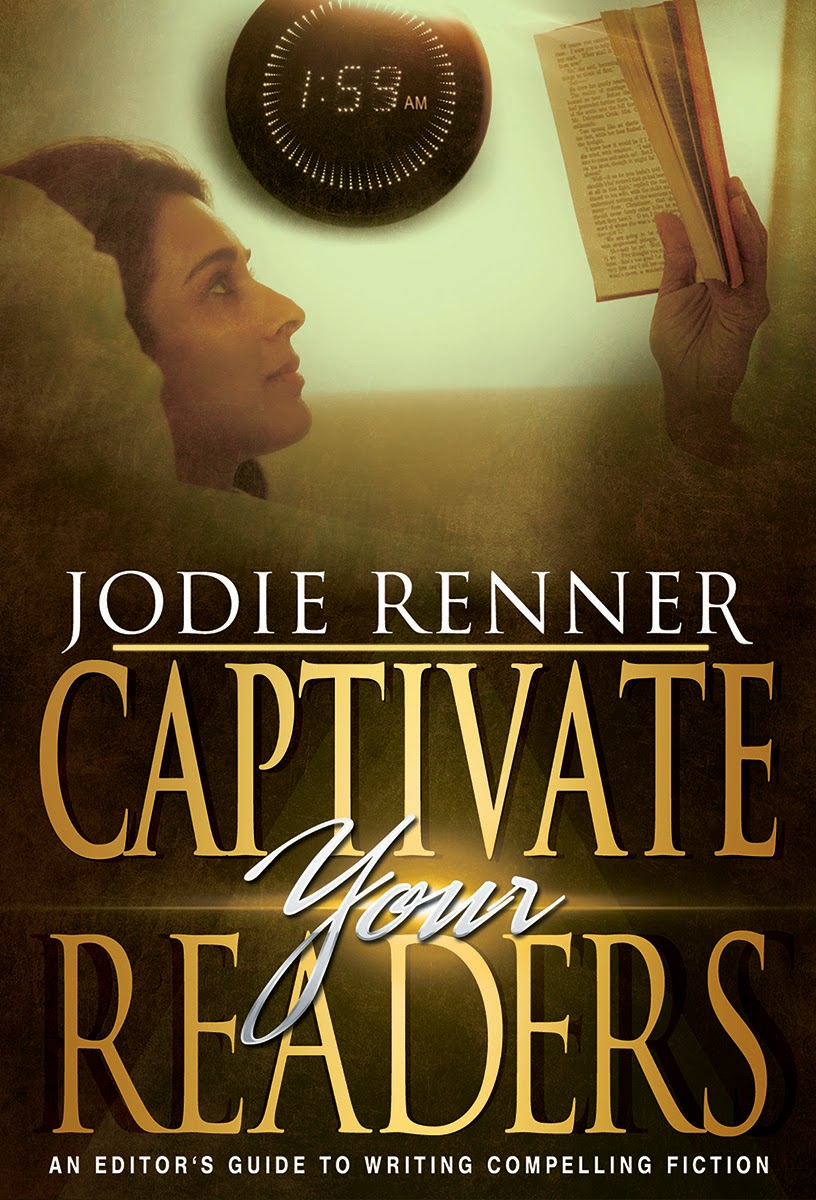
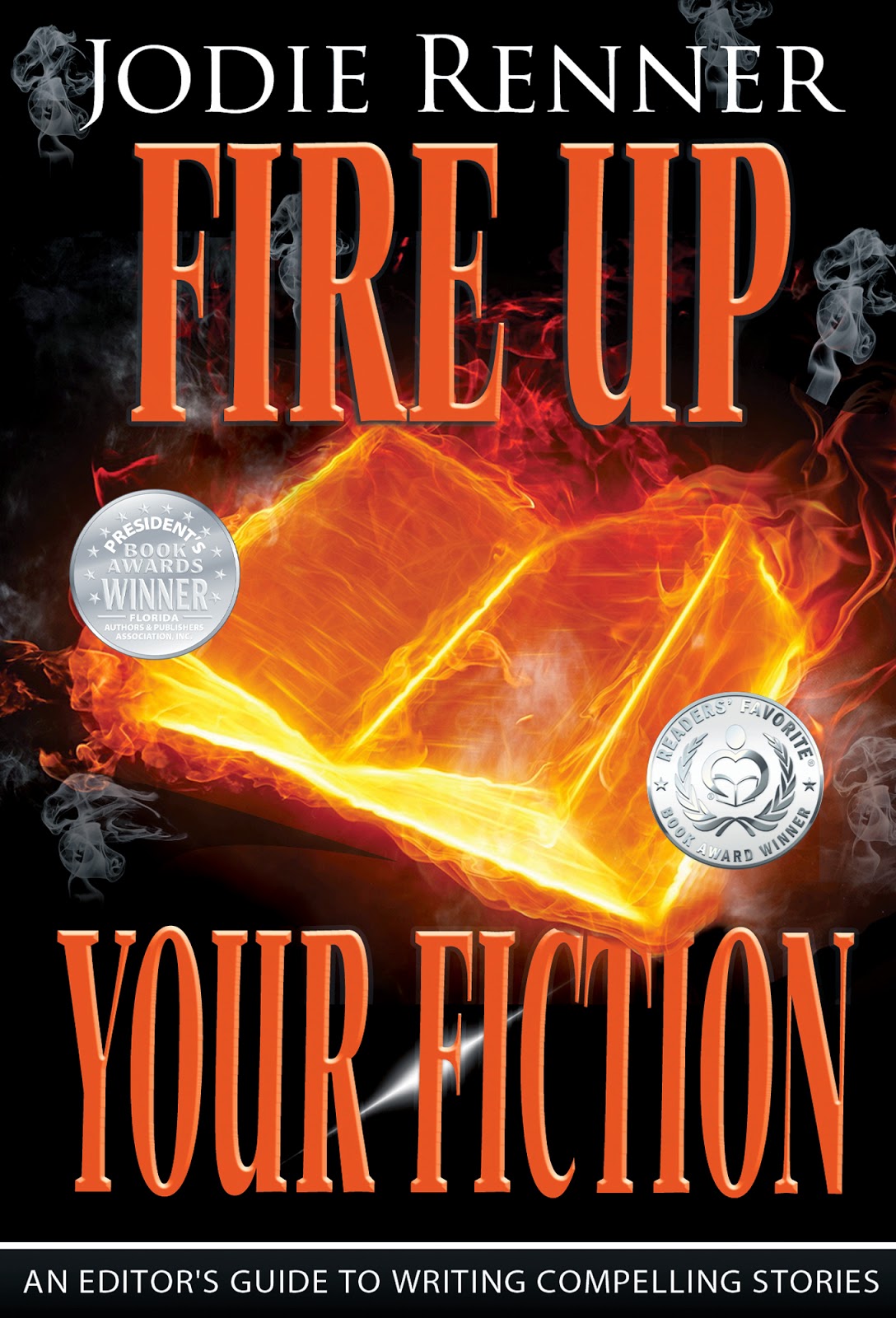
This indicates you likely need to roll up your sleeves and hone your writing skills. Read some writing guides, like my award-winning editor's guides to writing compelling fiction, Captivate Your Readers, Fire up Your Fiction, or Writing a Killer Thriller. Also, read lots of highly rated published short stories, paying close attention to the writers’ techniques. Here’s where a critique group of experienced fiction writers or some savvy beta readers or a professional edit could help.


– We didn’t get it.

This is a catch-all category that means the story didn’t work for a number of reasons. This could be an indicator to put this story aside and hone your craft, critically read other highly rated stories in your genre, then, using your new skills, create a fresh story.

“While all of these criticisms open doors to further questions, we regret that we cannot be more constructive….”

That’s understandable. They just don’t have time to critique or mentor every writer who contacts them. But I hope the above list and my comments below each point provide you with some useful tips for taking a fresh look at your short story and revising it so it will get accepted for a publication or even win a contest. Good luck!

Elsewhere on this blog, I posted a detailed list of points to consider that will help make your story stronger and more likely to win contests. Here’s the link to that article:

33 TIPS FOR CREATING A SHORT STORY WORTHY OF CONTESTS, MAGAZINES, AND ANTHOLOGIES

Do you have any other tips to add? Helpful comments you've received back from editors, judges, or publishers?

Click HERE for options to receive email alerts of new posts published on this blog.

Jodie Renner is a freelance fiction editor and the award-winning author of three craft-of-writing guides in her series An Editor’s Guide to Writing Compelling FictionWRITING A KILLER THRILLER, FIRE UP YOUR FICTION, and CAPTIVATE YOUR READERS, as well as two clickable time-saving e-resources, QUICK CLICKS: Spelling List and QUICKCLICKS: Word Usage. She has also organized two anthologies for charity: VOICES FROM THE VALLEYS – Stories and Poems about Life in BC’s Interior, and CHILDHOOD REGAINED – Stories of Hope for Asian Child WorkersYou can find Jodie on her Amazon Author Page, at www.JodieRenner.com, and on Facebook. 

Tuesday, September 10, 2019

A Checklist for Submitting Your Short Story to Anthologies and Contests

A glimpse into the minds of acquiring editors and judges for short (or any) fiction

by Jodie Renner, editor & author 

Have you tried your hand at writing short stories yet? If not, what’s holding you back? As award-winning blogger Anne R. Allen said in an excellent article in Writer’s Digest magazine, “Bite-sized fiction has moved mainstream, and today’s readers are more eager than ever to ‘read short.’” To check out Anne’s “nine factors working in favor of a short story renaissance,” see “9 Ways Writing Short Stories Can Pay off For Writers“, and there’s more in her post, "Why You Should be Writing Short Fiction."

Here’s another Argument for Writing Short Stories, by Emily Harstone.  She says, “Writers who are serious about improving and developing their craft should write short stories and get editorial feedback on them, even if they are never planning on publishing these short stories. Short stories are one of the best ways to hone your craft as a writer.”

Okay, you’ve decided to take the plunge and craft a few short stories. Good for you! Next step: Consider submitting some of them to anthologies, magazines, or contests. But wait! Before you click “send,” be sure to check out my 33 Tips for Creating a Short Story Worthy of Contests, Magazines, and Anthologies, then go through your story with these tips in mind and give it a good edit and polish – possibly even a major rewrite – before submitting it.

What are some of the common criteria used by publications and contests when evaluating short story submissions?

I have served as judge several times for Writer’s Digest Popular Fiction Contest, where I had to whittle down 140 or more entries (for the thriller category alone) to 10 finalists, but I wasn’t provided with a checklist or any specific criteria. However, a friend who regularly submits short stories to anthologies, magazines, and contests recently received a polite rejection letter from the editor of a literary magazine, along with a checklist of possible reasons, with two of them checked off specifically relating to her story.

While useful, the list of possible weaknesses is very “bare bones” and cries out for more detail and specific pointers. Editors, publishers, and judges are swamped with submissions and understandably don’t have time to give detailed advice for improvement to all the authors whose stories they turn down.

Here’s the list my friend received, with my comments below each point.

Checklist from a Publisher/Editor/Publication in Response to Short Story Submissions

“Thank you for submitting your short story to …. We’ve given your work careful consideration and are unable to offer you publication. We do not offer in-depth reviews of rejected submissions, due to time constraints. Briefly, we feel your submission suffered from one/several of the following common problems:”

“Tone or content inappropriate for…” (publisher / publication / anthology / magazine)
Check their submission guidelines and read other stories they’ve accepted to get an idea of the genre, style, tone, and content they seem to prefer.

“Stylistic and grammatical errors; too many typos”

Be sure to use spell-check and get someone with strong skills in spelling, grammar, punctuation, and sentence structure to check it over carefully for you. Read it out loud, and where you pause briefly, put in a comma. Where you pause a little longer, put in a period. You could also try using editing software or submit it to a professional freelance editor. This last choice has the most likelihood of helping you hone your fiction-writing skills.

“Structure problems”

For a novel, this could mean some chapters could be rearranged, shortened, or taken out. For a short story, it could mean the time sequencing is strange; you've started too early, too late, or in the middle; or perhaps you have too many characters or too many plot lines. Or perhaps you've interrupted the story by dumping in a lot of backstory or explanations.

“Formatting problems made reading frustrating”

Be sure your story is in a common font, like Times New Roman, 12-point, and double-spaced, with only one space after periods and one-inch margins on all four sides. Don’t boldface anything or use all caps. For more white space and ease of reading, divide long blocks of text into paragraphs. Start a new paragraph for each new speaker. Indent paragraphs, but not by clicking on the space bar. Use Word's paragraph function. Don’t use an extra line space between paragraphs. Use italics sparingly for emphasis. For more specifics on formatting, see “Basic Formatting of Your Manuscript (Formatting 101)”.

“Characters were problematic/unbelievable/unlikeable”

Your characters’ decisions, actions and motivations need to fit their goals, personality, background, and character. And make sure your protagonist is likeable, someone readers will want to root for.

“Content and/or style too well-worn or obvious”

This likely refers to a plot that’s been done a million times, with cookie-cutter characters and a predictable ending.

“Word choice needs refinement”

This one could cover the gamut from tired, generic verbs like walked, ran, saw, looked or overused adjectives like nice, good, bad, old, big, small, tall, short; to inadvertently inserting light-hearted words at a tense time or vice-versa; to using overly formal, technical, or esoteric words where a concrete, vivid, immediately understandable one would be more effective; and more.

“Overbearing or heavy-handed”

This probably refers to a story where the author’s agenda is too obvious, too hard-hitting, maybe even a bit “preachy,” rather than subtle, allowing the reader to draw their own conclusions.

“Nothing seems to have happened”

This likely indicates no critical problem or dilemma for the protagonist, not enough meaningful action and change, and insufficient conflict and tension.

“Strong beginning, then peters out”

This is an indicator that your plot needs amping up and you need to add rising tension, suspense, and intrigue to keep readers avidly turning the pages. Also, flesh out your characters to make them more complex. Give your protagonist secrets, regrets, inner conflict, and a strong desire that is being thwarted.

“Needs overall development and polish.”

This indicates you likely need to roll up your sleeves and hone your writing skills. Read some writing guides, like my award-winning editor's guides to writing compelling fiction, Captivate Your Readers, Fire up Your Fiction, or Writing a Killer Thriller. Also, read lots of highly rated published short stories, paying close attention to the writers’ techniques. Here’s where a critique group of experienced fiction writers or some savvy beta readers or a professional edit could help.

“We didn’t get it.”

This is a catch-all category that means the story didn’t work for a number of reasons. This could be an indicator to put this story aside and hone your craft, critically read other highly rated stories in your genre, then, using your new skills, craft a fresh story.

“While all of these criticisms open doors to further questions, we regret that we cannot be more constructive….”

That’s understandable. They just don’t have time to critique or mentor every writer who contacts them. But I hope my comments above help aspiring fiction writers hone your craft and get your stories published – or even win awards for them. Good luck! For tips on how to actually submit, check out “Writing Short Stories? Don’t Make These 4 Submission Mistakes."

Jodie Renner is a freelance fiction editor and the award-winning author of three craft-of-writing guides in her series An Editor’s Guide to Writing Compelling FictionWRITING A KILLER THRILLER, FIRE UP YOUR FICTION, and CAPTIVATE YOUR READERS, as well as two clickable time-saving e-resources, QUICK CLICKS: Spelling List and QUICK CLICKS: Word Usage. She has also organized two anthologies for charity: VOICES FROM THE VALLEYS – Stories and Poems about Life in BC’s Interior, and CHILDHOOD REGAINED – Stories of Hope for Asian Child WorkersYou can find Jodie on her Amazon Author Page, at www.JodieRenner.com, and on Facebook. 

Sunday, August 25, 2019

Interview of Jodie Renner, Judge for Writer's Digest Popular Fiction Awards

I've had the privilege of judging short stories and novels for Writer's Digest's contests several times in the past, and will likely serve as judge again this year. Since the annual Writer's Digest Popular Fiction (short story) competition deadline is fast approaching (Sept. 16 - early bird deadline; Oct. 14 - final deadline), I decided to repost an interview from August 30, 2016 in which WD magazine asks me about my criteria in judging the thriller category of short stories. Most of these tips apply to any popular fiction short story, and will help you polish your story for any competition or publication.  Here's the original interview:


Writer’s Digest Popular Fiction Awards: Behind the Scenes of a Writing Competition with Thriller Judge Jodie Renner
By: Chelsea Henshey, Writer's Digest Magazine, August 30, 2016

Today, as part of our "Behind the Scenes of a Writing Competition" series, Thriller judge Jodie Renner discusses how to avoid common mistakes and take your submission to the top.

Meet the Judge:

Jodie Renner is a freelance fiction editor and the award-winning author of three craft-of-writing guides in her series An Editor’s Guide to Writing Compelling Fiction: Captivate Your Readers, Fire up Your Fiction, and Writing a Killer Thriller. She has also published two clickable time-saving e-resources to date: Quick Clicks: Spelling List and Quick Clicks: Word Usage. She also judges short stories for several other groups as well as Writer’s Digest. You can find Jodie at www.JodieRenner.com and on Facebook and Twitter.

What are you looking for in a submission?

I’m looking for story that intrigues me right from the very first sentence and compels me to keep reading. I want a story that transports me away, makes me forget I’m judging a story or looking for errors. The story should have no distracting errors or formatting issues. I want a fresh voice, a unique, charismatic character with a significant problem he or she needs to solve. The story should have lots of tension, intrigue, and conflict, with suspenseful, nail-biting moments. I also hope for a surprise twist or even a shocking revelation at the end.

What makes a submission stand out?

The premise and plot line seem fresh, not familiar; the voice is unique and appealing; the protagonist is charismatic and likeable but complex, with secrets, regrets, fears, and hopes; the protagonist’s life is shaken up early on; he is confronted with a significant challenge, conflict, or critical problem he has to deal with; the characters come to life on the page through inner and outer reactions, including thoughts, feelings, and sensory reactions; there’s tension on every page; the dialogue is snappy and true to life for those types of characters; the story is free of grammatical, spelling, and punctuation errors; and the ending is unexpected, but in retrospect, seems inevitable.

What are some common mistakes entrants can avoid?

* A slow or boring opening
  • revving your engines, starting with neutral “telling” or description from the author’s point of view (omniscient);
  • starting with backstory – setting the scene with explanations rather than jumping right in with the story;
  • opening with the character alone, musing – best to have your character interacting with someone else in a dynamic scene, with some tension and attitude.
  • Your first sentence and paragraph should arouse curiosity and raise questions that demand to be answered.
  • Not enough tension at the beginning. Disrupt your main character’s life in some way on the first page.
* A confusing opening: Who is this, where are they, and what’s going on? Establish the four W’s on the first page – who, what, where, when, to situate readers so they don’t get confused or annoyed trying to figure out what’s going on.

* Fuzzy or distant POV: No evident point of view right from the start – whose story is this? Whose head are we in?

* Head-hopping or a wavering point of view within the story. For short stories, best to stay in one character’s viewpoint. Use first-person or close third person POV to establish intimacy and engage readers emotionally.

* Author intrusions: Don’t interrupt the action to explain things to the readers or describe things, the setting, or characters in a neutral point of view, as the author. Stay in the main character’s head and body! All explanations and descriptions should be through the characters, in a natural way, colored by their personality, attitudes, and agenda.

* Protagonist is one-dimensional, unlikeable, or boring; lacks personality, baggage, secrets, regrets, fears, and a driving goal or burning desire.

* Flat characters who don’t react to what’s going on. Show your character’s inner and outer reactions – thoughts, physical reactions, sensory perceptions – to bring them to life. (See Bring Your Characters to Life by Showing Their Reactions and Immerse Your Readers with Sensory Details.)

* Dialogue is stilted or boring. Too correct, no slang expressions or contractions (“I cannot” instead of “I can’t”, “We are not” instead “We aren’t” etc.), doesn’t sound natural. Read the dialogue out loud to see if it sounds like people actually speak. Make sure each character speaks differently, and not like the author. Leave out all “filler” dialogue, like “How are you?” “I’m fine,” etc. Cut to the chase! (See "Amp up That Dialogue!")

* Talking heads. Pages of dialogue, but we don’t know what the characters are doing. Use action beats and inner reactions to help readers visualize what’s going on with the characters at that moment.

* Lack of editing. Story rambles on, is all over the place, lacks focus and a clear problem/plot. Get to the point! Make every element, every image, and every word count!

* Not enough tension, conflict, and intrigue. For my category, thrillers, not enough suspense and intrigue. (See “Checklist for Adding Suspense and Intrigue to Your Story.”)

* Too much telling, not enough showing. Too much narration, especially neutral, author-like narration. Instead, “show” critical scenes in real time, with action and dialogue. See “Show, Don’t Tell.”

* No real “voice” – a too-correct, nonfiction style of writing. Get into the character’s head and body, and stay there. Use free-form journaling to capture their true voice, with plenty of attitude.

* A too-formal, overly correct writing style. This is fiction, not a scholarly or professional paper. Forget a neutral style and long-winded, grammatically correct sentences, especially in dialogue.

* A pedestrian, uninspired writing style – use lots of concrete specific nouns and verbs. Avoid overused verbs like “walked” and “ran”. Don’t prop up generic nouns and verbs with adjectives and adverbs – use a more specific, evocative noun or verb instead. For example, instead of “he ran quickly,” say “he raced” or “he charged” or “he dashed” or “he sprinted” or “he darted” or “he scurried.”

* An overly wordy writing style. Don’t clutter up your writing with a lot of extra words – this will hide your meaning, slow down communication, and lessen the impact of your message.

* A conclusion that drags on – tie the story up quickly.

* Spelling, grammatical mistakes, typos. Incorrect paragraphing for dialogue, incorrect punctuation and capitalization for dialogue. (See “Dialogue Nuts and Bolts”).

* Formatting errors – paragraphing, spacing, etc. (See “Basic Formatting of Your Manuscript (Formatting 101”).

*For more specific advice on writing a winning short story, see: “33 Tips for Creating a Short Story Worthy of Contests, Magazines, and Anthologies

What is unique about the WD contest and why should writers submit?

Writers should submit their short stories to the Writer’s Digest Popular Fiction Awards because there are lots of different genres/categories to choose from, so you know your story is being judged by someone who reads and loves that genre. Also, since WD receives thousands of entries, a win or even an honorable mention from the Writer’s Digest contest is a real honor, something to be proud of. An award from this contest will really raise your status as a writer and advance your career.

For the original interview posted by Writer's Digest on August 30, 2016, click HERE.

Friday, August 16, 2019

33 TIPS FOR CREATING A SHORT STORY WORTHY OF CONTESTS, MAGAZINES, AND ANTHOLOGIES

by Jodie Renner, editor & author 

Here are 33 concrete tips for writing a compelling short story that is worthy of publishing or submitting to contests, magazines, and anthologies. Of course, these are only guidelines – like any good cook with a recipe, you’ll tweak them to suit your own vision, goal, genre, and story idea.
And by the way, many or most of these tips also apply to effective, compelling longer fiction.
(When referring to the main character, I’ll be alternating between using “he” and “she”, so just fill in the gender of your own protagonist.)
PLANNING STAGE:
1. Keep the story tight. 
Most short stories are between 1,000 and 7,000 words long, with the most popular length between 2,500 and 4,000 words. Unlike a novel or even a novella, a short story is about a small slice of life, with one story thread and one theme. Don’t get too ambitious. It’s best to limit it to one principal character plus a few supporting characters, one main conflict, one geographical location, and a brief time frame, like a few weeks maximum – better yet, a few days, or even hours.
2. Create a main character who is complex and charismatic, one readers will care about. 
Your protagonist should be multi-dimensional and at least somewhat sympathetic, so readers can relate to him and start bonding with him right away. He should be fascinating, with plenty of personality. But give him a human side, with some inner conflict and vulnerability, so readers identify with him and start worrying about him immediately. If readers don’t care about your character, they also won’t care about what happens to him.
3. Give your protagonist a burning desire. 
What does he or she want more than anything? This is the basis for your story goal, the driving force of your story.
4. Decide what your character is most afraid of. 
What does your heroine regret most? What is she feeling guilty about? Give her some baggage and secrets.
5. Devise a critical story problem or conflict. 
Create a significant conflict or challenge for your protagonist. Put her in hot water right away, on the first page, so the readers start worrying about her early on. No conflict = no story. The conflict can be internal, external, or interpersonal, or all three. It can be against one’s own demons, other people, circumstances, or nature.
6. Develop a unique “voice” for this story. 
First, get to know your character really well by journaling in his voice. Pretend you are the character, writing in his secret diary, expressing his hopes and fears and venting his frustrations. Just let the ideas flow, in his point of view, using his words and expressions.
Then take it a step further and carry that voice you’ve developed throughout the whole story, even to the narration and description, which are really the viewpoint character’s thoughts, perceptions, observations, and reactions. This technique ensures that your whole story has a unique, compelling voice. (In a novel, the voice will of course change in any chapters that are in other characters’ viewpoints.)
7. Create a worthy antagonist. 
Devise an opposition character who is strong, clever, determined, and resourceful – a force to be reckoned with. And for added interest, make him or her multi-faceted, with a few positive qualities, too.
8. Add in a few interesting, even quirky supporting characters. 
Give each of your characters a distinct personality, with their own agenda, hopes, accomplishments, fears, insecurities, and secrets, and add some individual quirks to bring each of them to life. Supporting and minor characters should be quite different from your protagonist, for contrast. Start a diary for each important character to develop their voice and personality, and ensure none of them are closely modeled after you, the author, or your friends.
But don’t fully develop any very minor or “walk-on” characters, or readers will expect them to play a more significant role. In fact, it’s best not to name minor characters like cab drivers, cashiers, and servers, unless they play a bigger role.
9. To enter and win contests, make your character and story unique and memorable.
Try to jolt or awe the readers somehow, with a unique, enigmatic, even quirky or weird character; an unusual premise or situation; and an unexpected, even shocking revelation and plot twist.
10. Experiment – take a chance. 
Short stories can be edgier, darker, or more intense because they’re brief, and readers can tolerate something a little more extreme for a limited time.

WRITING STAGE:
11. Start with a compelling scene. 
Short stories need to grab and emotionally engage the readers right from the first paragraph. Don’t open with a description of the scenery or other setting. Also, don’t start with background information (backstory) on the character or an explanation of their world or situation.
12. Start right out in the head of your main character.
It’s best to use his name right in the first sentence to establish him as the point-of-view character, the one readers are supposed to identify with and root for. And let readers know really soon his rough age, situation, and role in the story world.
13. Put your character in motion right away. 
Having her interacting with someone else is usually best – much more dynamic than starting with a character alone, musing. Also, it’s best not to start with your character waking up or in an everyday situation or on the way to somewhere. That’s trite and too much of a slow lead-up for a short story – or any compelling story, for that matter.
14. Use close point of view. 
Get up close and personal with your lead character and tell the whole story from his point of view. Continually show his thoughts, feelings, reactions, and physical sensations. And take care not to show anyone else’s thoughts or inner reactions. You don’t have time or space to get into anyone else’s viewpoint in a short story. Show the attitudes and reactions of others through what the POV character perceives – their words, body language, facial expressions, tone of voice, actions, etc.
Even the narration should be expressed as your POV character’s thoughts and observations. Don’t intrude as the author to describe or explain anything to the readers in neutral language. You want to keep your readers immersed in your fictive dream, and interrupting as the author will burst the bubble of make-believe they crave.
15. Situate the reader early on
To avoid audience confusion and frustration, establish your main character immediately and clarify the situation and setting (time and place) within the first few paragraphs. On the first page, answer the four W’s: who, what, where, when. But as mentioned above, avoid starting with a long descriptive passage.
16. Jump right in with some tension in the first paragraphs. 
As I mentioned, there’s no room in a short story for a long, meandering lead-up to the main problem, or an extended description of the setting or the characters and their background. Disrupt the main character’s life in some way on the first page. As Kurt Vonnegut advises, in short fiction, start as close to the end as possible.
17. Show, don’t tell. 
Don’t use narration to tell your readers what happened – put them right in the middle of the scene, with lots of dialogue and action and reactions, in real time. And skip past transitional times and unimportant moments. Use a few words to go from one time or place to another, unless something important happens during the transition.
18. Your character needs to react. 
Continually show your character’s emotional and physical reactions, both inner and outer, to what’s going on around him. And to bring the character and scene to life on the page, evoke as many of the five senses as possible, not just sight and hearing. Scents or smells are especially powerful and evocative.
19. Every page needs tension of some sort. 
It might be overt, like an argument, or subtle, like inner resentments, disagreements, questioning, or anxiety. If everybody is in agreement, shake things up a little.
20. To add tension and intrigue, withhold key information
especially about character secrets or regrets, but hint at them to arouse reader curiosity. Then reveal critical info bit by bit, like a tantalizing striptease, as you go along.
21. Dialogue in fiction is like real conversation on steroids. 
Skip the yadda-yadda, blah-blah, “How are you? I’m fine. Nice weather,” etc., and add spark and tension to all your dialogue. And make the characters’ words and expressions sound as natural and authentic as you can. Avoid complete, correct sentences in dialogue. Use plenty of one or two-word questions and responses, evasive replies, abrupt changes of topics, and even a few silences.
22. Each character should speak differently, and not like the author. 
Each character’s word choices and speech patterns should reflect their gender, age, education, social standing, and personality. Don’t have your kids sounding like adults or your thugs sounding like university professors. Even men and women of similar cultural backgrounds and social standing speak differently. Read your dialogue out loud or role-play with a friend to make sure it sounds real, has tension, and moves along at a good clip.
23. Build the conflict to a riveting climax. 
Keep putting your protagonist in more hot water until the big “battle,” showdown, or struggle – whether it’s physical, psychological, or interpersonal. This is where they’re challenged to the max and have to draw on all their courage, wit, and resources to avoid defeat and/or reach their goals.
24. Brainstorm to devise a twist at the end. 
Create a surprise ending to delight readers – something that’s unexpected but makes sense in retrospect. Give the readers what they hope for, but not in a way they expect it.
25. Provide some satisfaction at the end. 
It’s not necessary to tie everything up in a neat little bow, but do give your readers some sense of resolution, some payout for their investment of time and effort in your story. As in novels, most readers want the character they’ve been rooting for all along to resolve at least some of their problems. But be sure the protagonist they’ve been identifying with succeeds through their own courage, determination, and resourcefulness, not through coincidence, luck, or a rescue by someone else. Keep your hero or heroine heroic. And don’t let your conclusion drag on – tie things up quickly.
26. Create a character arc. 
Your protagonist should have changed as a result of his recent struggles.
27. And a story arc – how are things different? 
How has the life of the main character changed as a result of what she’s just been through?
REVISION STAGE:
28. Hook ’em in right away. 
Now that you’ve got your whole story down, go back and grab the readers with an opening that zings. Write and rewrite your first line, opening paragraph, and first page. They need to be as gripping and as intriguing as you can make them, in order to compel the readers to read the rest of the story. Your first sentence and paragraph should arouse curiosity and raise questions that demand to be answered.
29. Cut to the chase. The short story requires discipline and editing. 
Trim down any long, convoluted sentences to reveal the essentials. Less is more, so make every word count. If a paragraph, sentence, or line of dialogue doesn’t advance the plot, add intrigue, or develop a character, take it out.
Also, use strong, evocative, specific nouns and verbs and cut back on supporting adjectives and adverbs. For example, instead of saying “He walked heavily” say “He stomped” or “He trudged.” Or instead of “She walked quietly,” say “She tiptoed” or “She crept.”
30. Make every element and every image count. 
Every significant detail you insert in the story should have some significance or some relevance later. If it doesn’t, take it out. Don’t show us a knife or special character skills, for example, if they don’t show up later and play an essential role. You have no room for filler or extraneous details in a compelling short story.
31. Try to make all descriptions do double duty. 
When you’re describing a character, for example, rather than listing their physical attributes and what they’re wearing, search for details that reveal their personality, their mood, their intentions, and their effect on those around them, and also the personality and attitude of the character who is observing them. And there’s no need to go into detail on everything they’re wearing. Paint in bold brush strokes and let readers fill in the details – or not, as they prefer.
32. Stay in character for all descriptions. 
Filter all descriptions through the attitude and mood of the main character. If your POV character’s aging father shows up at the door, don’t describe him neutrally and in detail as a brand new character. Show him as that character actually sees her own father.
Similarly, if a teenage boy walks into a room, don’t describe the space as an interior designer would see it – stay in his viewpoint. He is most concerned with why he entered that room, not all the details of what it looks like.
33. Pay attention to word count and other guidelines. 
As I mentioned earlier, short stories are generally between 1,000 and 7,500 words long, with the most popular length around 2,500 to 4,000 words. If you want to submit your short story to a website, magazine or contest, be sure to read their guidelines as to length, genre, language no-no’s, and so on. Also, for your own protection, do read the fine print to avoid giving away all rights to your story.


Jodie Renner is a freelance fiction editor and the award-winning author of three craft-of-writing guides in her series An Editor’s Guide to Writing Compelling FictionWRITING A KILLER THRILLER, FIRE UP YOUR FICTION, and CAPTIVATE YOUR READERS, as well as two clickable time-saving e-resources, QUICK CLICKS: Spelling List and QUICK CLICKS: Word Usage. She has also organized two anthologies for charity: VOICES FROM THE VALLEYS – Stories and Poems about Life in BC’s Interior, and CHILDHOOD REGAINED – Stories of Hope for Asian Child WorkersYou can find Jodie on her Amazon Author Page, at www.JodieRenner.com, and on Facebook.  

Thursday, September 19, 2013

21 TIPS FOR CREATING A COMPELLING SHORT STORY

by Jodie Renner, editor & author

Writing short stories is a great way to experiment with different genres, characters, settings, and “voices.” And due to the rise in e-books and e-magazines, length is no longer an issue, so there’s a growing market for short stories. You can also publish a collection of 3 or 4 of your short stories yourself in a short anthology, relatively easily on Amazon, and they don’t even need to be on a common theme. Here are some guidelines for writing a compelling story, worthy of publishing or submitting to contests, magazines, and anthologies.
Of course, these are only tips and guidelines – like any good cook with a recipe, you’ll tweak them to suit your own vision and story ideas.
PLANNING STAGE:
1. Pay attention to word count. Short stories are generally between 500 and 7,500 words long. If you want to submit your short story to a magazine or contest, be sure to read their guidelines as to length. Also, read the fine print to avoid giving away all rights to your story.
2. Keep the story tight. A short story is about just a small slice of life, with one story thread and one theme. Don’t get too ambitious. It’s best to limit it to one main character plus a few supporting characters, one geographical location, and a short time frame, like a few weeks maximum—better yet, a few days, or even hours or minutes.
3. Create a complex, charismatic character. Your main character should be multi-dimensional and at least somewhat sympathetic, so readers can relate to him and start bonding with him right away. And give him a human side, with some inner conflict and vulnerability, so readers care about him and start worrying about him immediately. A worried reader is an engaged reader. Remember that readers need to care about your character before they’ll start caring what happens to him.
4. Put your character in motion right away, and disrupt her world. Having her interacting with someone else is usually best – much more dynamic than starting with a character alone, musing. Also, best not to start with your character just waking up or in an everyday situation or on a routine trip to somewhere. That’s too much slow lead-up for a short story – or any compelling story, for that matter.
5. Think of a main story question/problem and a tight plot or storyline. Give your character an important goal that is thwarted. Create a main conflict, and other lesser conflicts/problems, with tension throughout. No conflict = no story. Get your protagonist into some hot water! The conflict can be internal or external, or both, and can be against man, circumstances, or nature. Something has to happen in your story, to achieve reader satisfaction. Your main character, someone the reader cares about, has to run into a difficult challenge they need to confront, and you need some kind of resolution at the end.
6. Develop a unique “voice” for this story by first getting to know your character really well, then journaling in their voice. Just let the ideas flow, in their point of view, expressing their hopes and frustrations with their words and expressions. Then carry that voice throughout the whole story, even to the narration and description, which is really the character’s thoughts, perceptions, observations and reactions.
7. Create interesting supporting characters. Give each of your characters a distinct personality, with hopes, accomplishments, fears, insecurities and secrets, and add some individual quirks to bring each of them to life. Supporting and minor characters should be different from your protagonist, for contrast.
8. To enter and win contests, make your character and story unique and memorable. Try to jolt or awe the readers somehow, with a unique, charismatic, even quirky or weird character, and/or a surprising topic or plot twist.
9. Experiment – take a chance. Short stories can be edgier, darker, or more intense because they’re short, and readers can tolerate something a little more extreme for a limited time. 
WRITING STAGE:
10. Jump right in, with a disruption and tension in the first paragraph. There’s no room in a short story for a long, meandering lead-up to the main problem, or an extended introduction of the setting or the characters and their background. Jump right in with the main character’s life being disrupted in some way.
11. Start right out in the head of your main character. It’s best to use their name right in the first sentence to establish them as the POV character, the one readers are supposed to identify with and root for. Then let readers know really soon their gender, rough age, and role in the story world.
12. Situate the reader early on. Don’t forget the 4 W’s: who, what, where, when. Establish your setting (time and place) within the first few paragraphs as well, to situate your reader and avoid confusion. But avoid starting with a great long descriptive passage.
13. Use close point of view. Get up close and personal with your main character and tell the story from his or her point of view. You don’t have time or space to get into anyone else’s viewpoint in a short story. Even your narration is your POV character’s thoughts and observations. Don’t intrude as the author to describe or explain anything to the readers in neutral language.
14. Show, Don’t Tell! Don’t use narration to tell your readers what happened—put them right in the middle of the scene, with lots of dialogue and action and reactions, in real time. And skip past transitional times and unimportant moments. Just use a few words to go from one time/place to another, unless something important happens during the transition.
15. Show your character’s reactions, both inner and outer. And to bring the character and scene to life on the page, evoke all five senses, not just sight and hearing.
16. Every page needs tension of some sort. It might be overt, like an argument, or subtle, like inner resentments, disagreements, worry, etc. No tension = boring.
17. Dialogue is war! Skip the yadda-yadda, blah-blah and add spark and tension to all your dialogue. And make your dialogue sound as natural and authentic as you can. Each character should speak differently, and not like the author. Use contractions, partial sentences, slang words, interruptions, one-word answers, silences, evasive replies, and lots of tension and attitude! When it comes to dialogue, ignore the computer lines that indicate incorrect English. Read your dialogue out loud or role-play with a friend to make sure it sounds natural.
18. Go out with a bang. Don’t stretch out the conclusion – tie it up pretty quickly. Like your first paragraph, your final paragraph needs to be memorable, and also satisfying to the readers. A surprise twist would be great, but it needs to make sense, given all the other details of the story. It’s not necessary to tie everything up in a neat bow – in fact, short story endings can be more ambiguous than for novels – but do give your reader some sense of resolution. And be sure the protagonist solves his or her problem or triumphs through their own courage, determination, and resourcefulness, not through coincidence, luck or a rescue by someone else.
REVISING STAGE:
19. Hook them in with an opening that zings. Write and rewrite your first line, opening paragraph and first page. They need to be as gripping and as intriguing as you can make them, in order to grab the readers and make them want to read the rest of the story. Your first sentence and paragraph should arouse curiosity, and raise questions that demand to be answered.
20. Cut to the chase! The short story requires discipline and editing. Trim down any long, convoluted sentences to reveal the essentials. Less is more, so make every word count. If a sentence or line of dialogue doesn’t advance the plot or further develop a character, take it out. Use strong, evocative, specific nouns and verbs and cut back on supporting adjectives and adverbs.  For example, instead of saying “He walked heavily” say “He trudged.” Or instead of “She walked quietly into the room,” say “She tiptoed…”
21. Make every element and every image count. Every element you insert in the story should have some significance or some relevance later. If it doesn’t, take it out. You have no room for filler in a compelling short story.   

Jodie Renner is a freelance fiction editor, workshop presenter, judge for fiction contests, and the award-winning author of three craft-of-writing guides in her series An Editor’s Guide to Writing Compelling Fiction: Captivate Your Readers, Fire up Your Fiction, and Writing a Killer Thriller. She has also published two clickable time-saving e-resources to date: Quick Clicks: Spelling List and Quick Clicks: Word Usage. Jodie has also organized and edited two anthologies for charity: Voices from the Valleys, and Childhood Regained – Stories of Hope for Asian Child Workers. You can find Jodie at www.JodieRenner.com, and on Facebook and Twitter.